
From the mist-covered valleys of Ladakh sitting at over 11,000 feet to the palm-fringed backwaters of Kerala stretching nearly 900 kilometres along the Arabian Sea coast, India genuinely offers a range of landscapes that few other single countries can match. Whether you’re drawn to snow-capped Himalayan peaks, golden desert forts, or tranquil houseboat cruises, planning a 2026 trip across India means choosing between an almost overwhelming number of genuinely stunning destinations. This guide breaks down the top 10 most beautiful places to visit in India in 2026, along with practical details to help you plan smarter.
| Rank | Destination | Best For | Ideal Time to Visit |
| 1 | Kerala | Backwaters, beaches, hill stations | November-March |
| 2 | Ladakh | High-altitude lakes, Buddhist monasteries | May-September |
| 3 | Rajasthan | Forts, palaces, desert landscapes | October-March |
| 4 | Kashmir Valley | Mountain scenery, gardens, houseboats | April-October |
| 5 | Goa | Beaches, Portuguese heritage, nightlife | November-February |
| 6 | Andaman Islands | Coral reefs, beaches, island getaways | October-May |
| 7 | Darjeeling | Tea gardens, toy train, mountain views | March-May, October-November |
| 8 | Uttarakhand | Trekking, pilgrimage, valleys | March-June, September-November |
| 9 | Agra | Taj Mahal, Mughal architecture | October-March |
| 10 | Puducherry (Pondicherry) | Coastal charm, French heritage, cafés | October-March |
1. Kerala — India’s Tropical Paradise
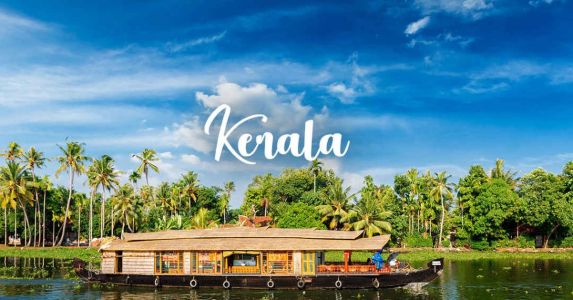
Kerala consistently ranks among the finest states in India for a considered, unhurried holiday, and it’s easy to see why once you look at what’s actually on offer.
- Home to 900 kilometres of navigable backwaters, best experienced from a traditional houseboat at dawn.
- The west coast is dotted with unspoiled beaches like Kovalam and Varkala, while Alappuzha (Alleppey) serves as the gateway for backwater cruises.
- Hill stations including Munnar, Wayanad, and Thekkady feature sprawling tea, coffee, and spice plantations across the hillsides.
- Local festivals like Onam and Vishu offer a genuine window into Kerala’s rich cultural traditions, including Kathakali and Mohiniyattam dance performances.
2. Ladakh — India’s Most Otherworldly Landscape
Ladakh offers a genuinely unmatched remoteness, a Buddhist kingdom tucked into the furthest reaches of India, with landscapes that feel completely unlike anywhere else in the country.
- Pangong Tso, with its deep blue waters set against barren, rugged mountains, is frequently cited as India’s single most beautiful natural destination.
- Buddhist gompas (monasteries) crown rocky outcrops high above the Indus Valley, offering both spiritual and scenic value.
- The high-altitude terrain is genuinely otherworldly, jagged arid mountains giving way to sudden, striking blue lakes.
- Best visited between May and September, since the region remains largely snowbound and inaccessible during winter months.
3. Rajasthan — The Land of Kings
Rajasthan’s breathtaking hill forts and vast golden deserts make it genuinely one of the top destinations to visit in India in 2026, and its sheer scale as one of India’s largest states means there’s a lot of ground to cover.
- The grand palaces of Jaipur, the tranquil lakes of Udaipur, and the desert forts of Jodhpur and Jaisalmer are among the most iconic sights in the entire country.
- Rich in history and cultural heritage, earning its reputation as the Land of Kings.
- Genuinely photogenic year-round, though the cooler months between October and March make exploring the forts and desert landscapes considerably more comfortable.
4. Kashmir Valley — The Land of Gardens and Lakes
Kashmir’s mountain scenery remains genuinely unrivalled, and it continues to draw travellers specifically for its natural beauty and unique houseboat culture on Dal Lake.
- Famous for its Mughal gardens, alpine meadows, and dramatic Himalayan backdrops.
- Houseboat stays on Dal Lake offer a genuinely distinctive way to experience the region compared to standard hotel accommodation.
- Popular both for leisure travel and for adventure activities like trekking and skiing depending on the season.
5. Goa — India’s Beach Capital
Goa remains one of India’s most popular beach destinations, known specifically for its golden beaches, vibrant nightlife, and distinctive Portuguese colonial heritage.
- Offers a genuine mix of relaxation and culture, historic churches and forts alongside water sports and lively beach shacks.
- Attracts both domestic and international tourists in roughly equal measure, making it one of the more cosmopolitan destinations on this list.
- Best visited between November and February, before the peak summer heat and monsoon season set in.
6. Andaman Islands — India’s Tropical Escape
The Andaman Islands offer a level of natural beauty that genuinely stuns even well-travelled visitors, and the islands work equally well for solo backpackers and family trips alike.
- Neil Island and Havelock Island offer remote, tranquil experiences away from crowds.
- Port Blair combines colonial history, including the sobering Cellular Jail, with a livelier town atmosphere.
- Best known for coral reefs, pristine beaches, and genuinely refreshing long treks through untouched natural landscapes.
7. Darjeeling — Tea Gardens in the Clouds
Darjeeling is genuinely beloved specifically for its tea gardens, the UNESCO-listed Darjeeling Himalayan Railway (the “toy train”), and sweeping views of Kanchenjunga, the world’s third-highest mountain.
- The cool climate makes it a genuinely comfortable year-round escape from the heat of the plains.
- Nearby Cherrapunjee, one of the wettest places on Earth, offers a dramatically different but equally breathtaking landscape of misty valleys and waterfalls.
8. Uttarakhand — The Land of the Gods
Known as “Dev Bhoomi,” Uttarakhand is a highly sought-after destination for both spiritual seekers and adventure lovers alike, offering genuinely tremendous variety within a single state.
- Popular treks include the Kedarkantha Trek, Valley of Flowers Trek, Roopkund Trek, and Nag Tibba Trek.
- Scenic terrain spans snow-clad mountains, green pastures, and clear mountain streams.
- A major pilgrimage destination alongside its adventure tourism appeal, giving it genuinely broad traveller appeal.
9. Agra — Home to the Taj Mahal
Agra remains an essential stop for virtually anyone exploring India, anchored by one of the Seven Wonders of the World.
- The Taj Mahal, built by Mughal Emperor Shah Jahan in memory of his wife Mumtaz Mahal, remains genuinely breathtaking regardless of how many photos you’ve seen beforehand.
- Beyond the Taj, Agra Fort and the nearby town of Fatehpur Sikri offer considerable additional historical and architectural depth.
- A genuine must-visit for history lovers and anyone interested in India’s Mughal-era cultural heritage.
10. Puducherry (Pondicherry) — The French Riviera of the East
Puducherry offers a genuinely distinctive coastal experience, blending French colonial architecture with a relaxed beach-town atmosphere along the Coromandel Coast.
- In 2026 specifically, the town has enhanced its appeal with guided walking tours, waterfront art exhibitions, and a genuinely vibrant café culture.
- Promenade Beach, Paradise Beach, Aurobindo Ashram, and Auroville are among the notable attractions.
- A genuine haven for adventure seekers too, offering water sports including surfing and scuba diving alongside its more laid-back café culture.
Frequently Asked Questions
Q1. What’s the best time of year to plan a trip covering multiple regions of India?
A: October to March genuinely works best for covering the widest range of destinations, since it avoids both the summer heat across most of the country and the monsoon season, though high-altitude regions like Ladakh are actually best visited between May and September specifically.
Q2. Which destination on this list is best for a first-time visitor to India?
A: Rajasthan or Kerala are generally recommended as strong starting points, since both offer a genuinely rich, accessible introduction to India’s culture, architecture, and natural beauty without requiring the more demanding travel logistics that regions like Ladakh or the Andaman Islands involve.
Q3. Is Ladakh genuinely difficult to travel to compared to other destinations on this list?
A: Yes, reaching Pangong Tso and other parts of Ladakh is a genuinely challenging journey given the high altitude and remote terrain, though most experienced travellers describe it as an extremely rewarding trip specifically because of how unique and unmatched the landscape is compared to anywhere else in India.
Q4. Can these destinations be combined into a single, longer itinerary?
A: It’s possible, but given India’s sheer size, most travel experts recommend focusing on 2-3 regionally close destinations per trip, for example pairing Agra with Rajasthan, or Darjeeling with parts of Uttarakhand, rather than attempting to cover geographically distant regions like Kerala and Ladakh within one single visit.