
Rajasthan is home to six hill forts jointly inscribed on UNESCO’s World Heritage List, the densest concentration of fortified architecture found anywhere on Earth, a legacy of Rajput dynasties who ruled the region for over a thousand years. As India’s largest state by area, Rajasthan offers an almost overwhelming range of experiences within a single journey, imposing forts, opulent palaces, vibrantly painted havelis, and the stark expanse of the Thar Desert, each city distinguished by its own signature colour: pink Jaipur, white Udaipur, blue Jodhpur, and golden Jaisalmer. Here’s a complete guide to the top 10 tourist places to visit in Rajasthan.
| Rank | Destination | Known For | Ideal Duration |
| 1 | Jaipur | Amber Fort, Hawa Mahal, City Palace | 2-3 days |
| 2 | Udaipur | Lake Pichola, City Palace, “Venice of the East” | 2 days |
| 3 | Jodhpur | Mehrangarh Fort, blue-painted old city | 1-2 days |
| 4 | Jaisalmer | Golden Fort, Thar Desert, camel safaris | 2 days |
| 5 | Pushkar | Brahma Temple, sacred lake, Camel Fair | 1 day |
| 6 | Ranthambore National Park | Tiger safaris | 1-2 days |
| 7 | Mount Abu | Nakki Lake, Guru Shikhar peak | 1-2 days |
| 8 | Bikaner | Junagarh Fort, desert cuisine | 1 day |
| 9 | Ajmer | Dargah Sharif, twin city to Pushkar | 1 day |
| 10 | Kumbhalgarh | UNESCO fort wall, wildlife sanctuary | 1 day |
1. Jaipur — The Pink City
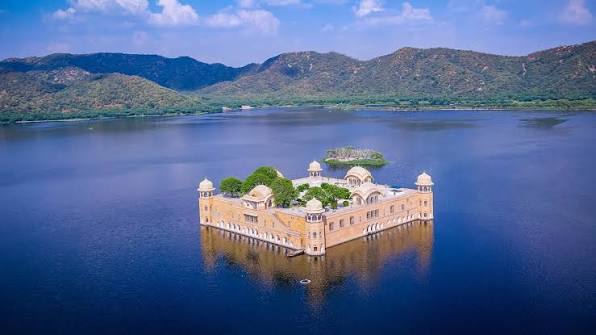
Jaipur, founded in 1727 by Maharaja Sawai Jai Singh II, was one of India’s first planned cities, laid out according to the principles of Vastu Shastra, and it remains the ideal starting point for any Rajasthan journey.
- Houses two UNESCO World Heritage Sites, Jantar Mantar and Amber Fort.
- Hawa Mahal (Palace of Winds) features a delicate honeycomb-like pink facade with intricate lattice windows.
- Amber Fort offers elephant and jeep rides, making it genuinely popular with families travelling with children.
- Best-connected city in the state, with the widest range of hotels across every budget, making it the natural starting point for most standard Rajasthan itineraries.
2. Udaipur — The Venice of the East
Often called the Venice of the East, Udaipur mesmerises visitors with its romantic lakes and palaces, and it’s widely considered the top choice specifically for couples and honeymooners.
- Lake Pichola sits at the heart of the city; a boat ride here offers stunning views of the City Palace, Jag Mandir, and the iconic Lake Palace.
- Calm waters during sunset create a genuinely magical ambiance that’s become synonymous with Udaipur’s romantic reputation.
- Known regionally for miniature paintings, a craft tradition worth exploring in the city’s bazaars.
3. Jodhpur — The Blue City
Jodhpur, Rajasthan’s second-largest city, is known for its distinctive blue-painted houses and the mighty Mehrangarh Fort towering above the old town.
- The fort offers panoramic views across the sprawling blue city below, one of the most photographed vistas in all of Rajasthan.
- Known for furniture craftsmanship and bandhej (tie-dye) textiles, both worth seeking out in local markets.
4. Jaisalmer — The Golden City
Rising from the Thar Desert, Jaisalmer offers a genuinely magical golden experience, its entire old city built from honey-coloured sandstone that glows dramatically at sunset.
- The Golden Fort remains a living fort, with residents still inhabiting parts of it, a genuinely rare feature among India’s historic forts.
- Best desert experience in the state, particularly popular with older children who enjoy camel rides and overnight desert camping.
- Known for embroidery and leatherwork among its traditional crafts.
5. Pushkar — The Sacred Lake Town
Pushkar is home to the only Brahma Temple in the world, alongside the famous Pushkar Camel Fair, making it one of Rajasthan’s most spiritually significant destinations.
- Pushkar Bazaar is a vibrant market known for silver jewellery, colourful textiles, and traditional Rajasthani handicrafts.
- Varaha Temple, dedicated to Lord Vishnu’s boar incarnation, ranks among the oldest temples in the town.
- Best visited October to March, or specifically timed around the Pushkar Camel Fair for the region’s most colourful annual spectacle.
6. Ranthambore National Park — Tiger Territory
Ranthambore offers a genuinely excellent tiger safari experience, a worthwhile addition to any Rajasthan circuit for travellers wanting wildlife alongside the state’s heritage sites.
- Frequently combined with the classic Jaipur-Pushkar-Udaipur-Jodhpur-Jaisalmer circuit as an optional detour for nature and wildlife enthusiasts.
- Best paired with nearby Sawai Madhopur for accommodation and logistics.
7. Mount Abu — Rajasthan’s Hill Station Escape
Mount Abu offers a genuinely different Rajasthan experience, a cool hill station retreat from the desert heat, particularly valuable during the hotter months when the plains become uncomfortable.
- Nakki Lake is surrounded by hills and local legends, offering boating, evening walks, and scenic sunset views.
- Guru Shikhar, the highest peak in Rajasthan, provides breathtaking panoramic views across the entire Aravalli Range.
- Remains pleasant even during April-June when temperatures elsewhere in Rajasthan climb above 40°C, reaching as high as 48°C in the desert.
8. Bikaner — The Desert Cuisine Capital
Bikaner rounds out the state’s major desert cities, known for Junagarh Fort and a distinctive culinary tradition shaped by centuries of desert living.
- A genuine detour destination for travellers wanting to experience Rajasthani desert culture beyond just Jaisalmer.
- Worth visiting specifically for its food scene, alongside the broader state specialities of dal baati churma, laal maas, and ghevar.
9. Ajmer — Twin City to Pushkar
Ajmer sits alongside Pushkar as a natural pairing on most itineraries, anchored by the Dargah Sharif, one of India’s most revered Sufi shrines.
- Commonly visited as part of a combined Pushkar-Ajmer day trip given their close proximity.
- Offers a genuinely different spiritual dimension to the state’s more Hindu-temple-focused pilgrimage sites.
10. Kumbhalgarh — The Great Wall of India
Kumbhalgarh features one of the six UNESCO-inscribed hill forts in Rajasthan, distinguished by a massive fortified wall stretching for kilometres across the hills, often compared to the Great Wall of China.
- Also home to Kumbhalgarh Wildlife Sanctuary, adding a nature component to the historical visit.
- Frequently combined with Udaipur as an optional day trip given its relative proximity.
Frequently Asked Questions
Q1. What’s the best time of year to plan a Rajasthan trip?
A: October to March is genuinely the best window, with daytime temperatures between 15-27°C and the festival calendar at its peak, while April to June brings extreme heat exceeding 40°C, and July to September’s monsoon brings greenery but is generally considered less ideal for sightseeing comfort.
Q2. How many days do I actually need to cover Rajasthan’s major highlights?
A: The classic circuit connecting Jaipur, Pushkar, Udaipur, Jodhpur, and Jaisalmer typically takes ten to fourteen days, though a shorter 3-5 day trip focusing purely on Jaipur, Jodhpur, or Udaipur can still deliver a genuinely memorable experience if covering the entire state isn’t practical.
Q3. Which city should I start with if this is my first time visiting Rajasthan?
A: Jaipur is consistently recommended as the best starting point, since it’s the most connected city with flights and trains, offers the widest range of hotels across every budget, and packs the most historical attractions into a genuinely compact, walkable area.
Q4. Do I need a guide to properly appreciate the forts and palaces?
A: A guide isn’t strictly essential, but it can genuinely enhance the experience considerably, local guides or audio tours help explain the history, legends, and architectural details behind each fort and palace, making visits considerably more meaningful than exploring without that context.