
The distinctive aroma that hits you the moment cumin seeds crackle in hot oil is genuinely the opening note of nearly every Indian meal — a sound and smell so central to cooking here that entire dishes are built around this single moment of tempering. With over 60 spices commonly used across India’s regional cuisines, and a spice trade history connecting empires for centuries, understanding which spices actually form the backbone of everyday Indian kitchens reveals why the same handful of ingredients can produce such genuinely endless variety.
| Rank | Spice (Hindi Name) | Primary Role | Daily Kitchen Uses |
| 1 | Turmeric (Haldi) | Color, earthy flavor | Curries, dals, rice, marinades |
| 2 | Cumin (Jeera) | Tempering (tadka) base | Dals, curries, jeera rice, raita |
| 3 | Coriander (Dhania) | Most-used ground spice | Curries, gravies, marinades |
| 4 | Garam Masala | Aromatic finishing blend | Curries, biryani, stews |
| 5 | Red Chili Powder (Lal Mirch) | Heat and color | Curries, tandoori marinades |
| 6 | Mustard Seeds (Rai/Sarson) | Tempering, South/East Indian base | Tadka, pickles, fish curries |
| 7 | Cardamom (Elaichi) | Sweet-aromatic warmth | Biryani, chai, desserts |
| 8 | Cinnamon (Dalchini) | Warm, sweet spice blend base | Garam masala, biryani, chai |
| 9 | Cloves (Laung) | Pungent aromatic depth | Garam masala, rice dishes, biryani |
| 10 | Fenugreek (Methi) | Bitter-nutty flavor, tempering | Curries, pickles, parathas |
1. Turmeric — The Undisputed King of Indian Spices
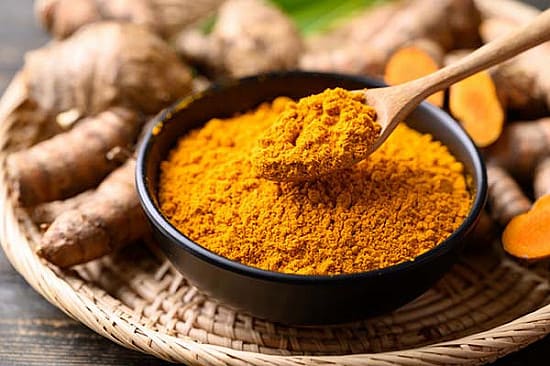
Turmeric powder is genuinely the single most-used spice in Indian cooking, added to almost every curry, dal, and rice dish prepared nationwide.
- Provides color, earthy flavor, and well-documented anti-inflammatory properties, making it as valued for health as for taste.
- Available fresh (resembling ginger with bright orange flesh) or, far more commonly, as a golden ground powder used in everything from khadi (turmeric yogurt soup) to everyday chicken and vegetable dishes.
- Genuinely no Indian kitchen is considered complete without it, functioning as a foundational ingredient rather than an optional flavor addition.
2. Cumin — The Sound of Everyday Cooking
- Used daily in Indian kitchens specifically for tempering (tadka), where seeds crackle in hot oil to release their warm, earthy aroma as the opening step of countless dishes.
- Available as whole seeds or ground powder, each offering genuinely different textural and flavor qualities depending on the specific preparation.
- Beyond tempering, cumin appears in jeera rice, raita, parathas, and as a core component of numerous spice blends.
3. Coriander — The Most Frequently Used Ground Spice
- Coriander seeds are the dried seeds of the cilantro plant, carrying a citrusy flavor considered essential to dishes like Punjabi saag paneer.
- Recognized as the most frequently used ground spice specifically across Indian cooking, appearing in curries, gravies, and marinades as a foundational flavor base.
- The plant’s leafy green portion, cilantro, serves a genuinely separate culinary role as a fresh garnish, with even the stems carrying comparable flavor intensity to the leaves themselves.
4. Garam Masala — India’s Signature Aromatic Blend
- Widely regarded as one of the most popular and essential spice mixes in Indian cuisine, combining cumin, coriander, cardamom, cinnamon, and cloves into a warming, fragrant blend.
- Featured prominently in dishes ranging from Punjabi chana masala to Anglo-Indian chicken tikka masala and Old Delhi-style butter chicken.
- Beyond flavor, its combined spices carry genuine antioxidant properties that help reduce inflammation, aid digestion, and support metabolism.
5. Red Chili Powder — The Heat and Color Provider
- Delivers both the spicy heat and vibrant red color characteristic of countless North and South Indian curries alike.
- Varies considerably in intensity across regional preparations, with some varieties prized specifically for color with milder heat, and others valued purely for their fiery punch.
6. Mustard Seeds — The South and East Indian Tempering King
- Come in black, brown, and yellow varieties, with black and brown most commonly used in Indian cooking, popping and crackling with a sharp, nutty flavor when added to hot oil.
- Genuinely the undisputed foundation of South Indian and Bengali cooking — the classic South Indian tadka combines mustard seeds, urad dal, and curry leaves sizzled in coconut or sesame oil, then poured over idli, dosa, and chutneys.
- In Bengal specifically, ground mustard paste serves as the primary flavoring agent in iconic fish curries like Machher Jhol.
7. Cardamom — The Sweet Aromatic Essential
- Carries a distinctly sweet, aromatic warmth, making it as central to Indian desserts and chai as it is to savory biryanis.
- Available in both green and black varieties, each carrying genuinely distinct flavor profiles suited to different applications — green for sweeter, more delicate dishes, black for deeper, smokier preparations.
8. Cinnamon — The Warm Backbone of Spice Blends
- Known for its warm and sweet flavor, used both whole and ground, frequently combined with cardamom and cloves to create the complex blends that define Indian cuisine’s signature aromatic profile.
- A core component of garam masala and biryani preparations, while also lending its characteristic warmth to spiced chai.
9. Cloves — The Pungent Depth Provider
- Delivers a genuinely pungent, intensely aromatic flavor that adds depth to rice dishes, biryani, and spice blends where a small quantity carries substantial impact.
- Typically used sparingly given its concentrated flavor, functioning as a background note that rounds out more complex spice combinations rather than standing alone.
10. Fenugreek — The Bitter-Nutty Balance
- Carries a genuinely distinctive bitter, slightly nutty flavor, used both as whole seeds for tempering and as dried leaves (kasoori methi) for finishing dishes.
- Common in curries, pickles, and parathas, where its bitterness provides genuine flavor balance against richer, more heavily spiced preparations.
Understanding India’s “Seven Native Spices”
- Historical spice trade records indicate that indigenous Indian spices were cultivated in Babylon’s gardens as early as the 8th century BC, reflecting the genuinely ancient roots of this culinary tradition.
- These native spices — cumin, coriander, clove, cinnamon, turmeric, fenugreek, and cardamom — are traditionally recognized as the seven foundational spices of Indian cuisine.
- Interestingly, contrary to popular belief outside India, curry powder itself isn’t traditionally used in authentic Indian cooking — it was actually an 18th-century British invention combining coriander, cumin, ginger, black pepper, cardamom, mustard, cayenne, and turmeric into a single pre-mixed blend.
The Bottom Line
Turmeric, cumin, and coriander together form the genuine foundation of Indian cooking, appearing in some combination across nearly every regional cuisine nationwide, while garam masala’s blend of warming spices and mustard seeds’ role in South Indian tempering illustrate how regional traditions build genuinely distinct flavor identities from largely overlapping ingredients. Understanding each spice’s individual role — turmeric for color and earthiness, cumin for aromatic tempering, cardamom and cinnamon for sweet warmth — transforms Indian cooking from an intimidating list of unfamiliar ingredients into a genuinely approachable, logical system once you recognize how these building blocks combine.
FAQs
Q1. Do I need all these spices as whole seeds, or is ground powder equally effective?
Both forms work well depending on the dish; whole spices offer stronger flavor when toasted or tempered, while ground versions blend more evenly into gravies and marinades.
Q2. Is garam masala the same across all Indian households, or does it vary?
It varies considerably by region and family recipe, with proportions of cumin, coriander, cardamom, cinnamon, and cloves adjusted according to personal or regional preference.
Q3. Why do South Indian and North Indian cooking rely on different tempering spices?
South Indian cooking centers on mustard seeds and curry leaves, while North Indian tempering typically favors cumin seeds, reflecting genuinely distinct regional culinary traditions.
Q4. Is curry powder actually used in authentic Indian home cooking?
No, curry powder is a British invention from the 18th century; authentic Indian cooking relies on individual spices combined fresh for each specific dish rather than one pre-mixed blend.