
India’s hill stations sit across genuinely different mountain systems, the Himalayas in the north and the Western Ghats in the south, and that geographic split means the “best time to visit” question actually has two very different correct answers depending on which region you’re headed to. Himalayan destinations like Shimla and Manali peak in April-June and October-November when roads are open and skies are clear, while South Indian hill stations like Munnar and Ooty are best March-May for dry weather, with a considerably greener but riskier July-September monsoon window. Here’s a complete guide to the top 10 hill stations in India and exactly when to visit each one.
| Rank | Hill Station | Region | Best Time to Visit |
| 1 | Shimla | Himachal Pradesh | April-June, October-November |
| 2 | Manali | Himachal Pradesh | April-June, October-November |
| 3 | Darjeeling | West Bengal | March-May, October-November |
| 4 | Ooty | Tamil Nadu | March-June, September-November |
| 5 | Munnar | Kerala | March-May, September-November |
| 6 | Nainital | Uttarakhand | March-June, September-November |
| 7 | Mussoorie | Uttarakhand | April-June, September-November |
| 8 | Coorg | Karnataka | October-March |
| 9 | Mount Abu | Rajasthan | March-June, September-February |
| 10 | Gulmarg | Jammu & Kashmir | December-February (snow), April-June (summer) |
1. Shimla — India’s Most Famous Hill Station
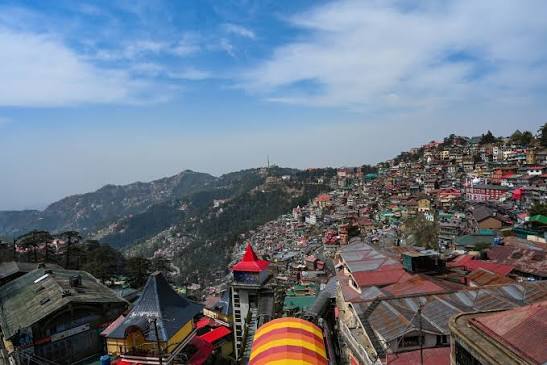
Shimla remains the best and most famous hill station in India, its combination of heritage charm, easy accessibility, winter snowfall, and the iconic UNESCO-listed toy train making it the top choice for virtually every type of traveller.
- Approximately 343 km from Delhi, making it a comfortable drive for northern travellers.
- Best time to visit: April to June for pleasant weather, or October to November for clear autumn skies; avoid July-August specifically due to monsoon-related road-closure risk.
- Genuinely family-friendly, with easy accessibility and a good mix of gentle sightseeing.
2. Manali — The Adventure Capital
For adventure specifically, Manali takes the crown among India’s hill stations, offering everything from trekking and paragliding to snow-covered peaks and cosy wooden lodges.
- Can experience landslides, road blockages, and transport disruptions during heavy monsoon months, particularly July and August, so plan around this window carefully.
- Best time to visit: April to June and October to November, matching the broader Himalayan pattern of avoiding peak monsoon.
- One of the top choices for honeymoon couples, alongside Munnar and Coorg.
3. Darjeeling — Tea-Scented Mornings
Darjeeling offers genuinely tea-scented mornings, sweeping views of Kanchenjunga, and the UNESCO-listed Darjeeling Himalayan Railway, one of India’s most memorable train journeys.
- Tea harvest season begins here, adding a genuine seasonal dimension to spring visits specifically.
- Best time to visit: March to May, or October to November for clear mountain views.
- Ranks among the top five most famous hill stations in India by visitor numbers.
4. Ooty — The Queen of Hill Stations
Ooty remains one of the strongest family-friendly hill station choices, thanks to comfortable weather, easy accessibility, and relaxed sightseeing across its many attractions.
- Ooty Lake & Boathouse, Botanical Garden, Wenlock Downs, and Rose Garden are essential stops on any Ooty tour.
- The Nilgiri Mountain Railway toy train, running from Mettupalayam to Ooty, is itself a UNESCO World Heritage Site experience.
- Best time to visit: March to June for dry conditions, September to November for post-monsoon greenery; the Tea and Tourism Festival in January and Summer Festival in May draw large crowds.
- Recommend at least two full days for Ooty itself, plus one additional day for nearby Coonoor.
5. Munnar — Misty Tea Gardens
Munnar is one of the best tourist places in Kerala and a genuinely popular honeymoon destination, known for its misty tea estates and rolling hills across the Western Ghats.
- Works particularly well for couples specifically because it feels calmer and less commercial compared to more overcrowded mountain towns.
- Best time to visit: March to May for dry weather, September to November for lush post-monsoon landscapes.
- Less crowded than Shimla or Manali even during peak summer season, making it a genuinely relaxed alternative.
6. Nainital — The Lake District of India
Nainital is one of the most accessible famous hill stations in India, particularly for travellers coming from northern cities, and it’s built around its centrepiece, Naini Lake.
- Approximately 300 km from Delhi, making it a genuinely comfortable weekend getaway destination.
- Best time to visit: March to June, or September to November for cooler, clearer conditions.
- Considered one of the most family-friendly hill stations given its compact centre and easy accessibility for children and older relatives.
7. Mussoorie — Delhi’s Closest Himalayan Escape
Mussoorie is the closest Himalayan hill station to Delhi, at roughly 290 km, making it a genuinely popular quick getaway from the capital.
- Best time to visit: April to June, or September to November, avoiding the monsoon months when hill roads become genuinely risky.
- Consistently ranked among the top mountain getaways near Delhi alongside Shimla, Nainital, and Manali.
8. Coorg — The Scotland of India
Coorg offers a genuine mix of greenery, waterfalls, and coffee plantations, and it’s considerably less crowded compared to more mainstream hill stations elsewhere in the country.
- Intimate plantation homestays make Coorg a particularly strong choice for honeymoon couples wanting privacy.
- Best time to visit: October to March, when the weather stays cool and comfortable without monsoon-related disruption.
9. Mount Abu — Rajasthan’s Hidden Hill Retreat
Even Rajasthan, usually associated purely with deserts and heat, hides its own hill retreat at Mount Abu, offering a genuinely different experience from the state’s more famous desert cities.
- Nakki Lake and Guru Shikhar, Rajasthan’s highest peak, are the standout attractions here.
- Best time to visit: March to June specifically to escape Rajasthan’s desert heat, or September to February for pleasant, cooler conditions.
- Naturally fits into a broader Rajasthan itinerary, offering welcome relief from Jaipur or Jaisalmer’s summer temperatures.
10. Gulmarg — India’s Premier Snow Destination
Gulmarg ranks among India’s top snowfall destinations, genuinely ideal for skiing, snow views, winter vacations, and honeymoon trips specifically during the colder months.
- December to February is the reliable snow season for skiing and winter sports enthusiasts.
- April to June offers a completely different, greener summer experience with pleasant temperatures.
Frequently Asked Questions
Q1. Why do Himalayan and South Indian hill stations have such different “best time to visit” recommendations?
A: They sit in entirely different mountain systems with different weather patterns, Himalayan destinations like Shimla and Manali peak in April-June and October-November when roads are open and skies are clear, while South Indian hill stations like Munnar and Ooty follow the Western Ghats’ pattern, best in March-May for dry weather, with monsoon (July-September) bringing lush greenery but real landslide risk.
Q2. Is it actually worth visiting a hill station during monsoon season for the discounts?
A: It genuinely depends on the destination and your risk tolerance, monsoon months bring accommodation discounts of roughly 50-70% in many South Indian hill stations and make Munnar and Coorg intensely green, but it also raises landslide and road-closure risk, especially on Himalayan approach roads, so sticking to main roads and considering trip-interruption insurance is worth it if you go this route.
Q3. Which hill stations are best specifically for families travelling with young children or elderly relatives?
A: Nainital, Shimla, and Ooty are consistently recommended for this, since they offer compact town centres, shorter walking distances, and easier accessibility compared to higher-altitude, steeper destinations like Manali or certain viewpoints around Munnar and Kodaikanal.
Q4. How many days should I plan for a typical hill station visit?
A: Generally 2-4 days is sufficient for most hill stations, though larger destinations like Manali or Darjeeling benefit from a slightly longer stay, and if you’re combining Ooty with nearby Coonoor specifically, plan for at least three days total to cover both comfortably.