
Ask most Indians which surname dominates the country’s naming landscape, and Kumar, Singh, or Sharma usually comes to mind first. Yet the actual data tells a genuinely different story — the single most common surname in India isn’t any of these, but a name millions of women across the country carry as a marker of respect and identity. With nearly 4 million unique surnames recorded nationwide, understanding which names actually dominate reveals a lot about India’s cultural, religious, and regional diversity.
| Rank | Surname | Approx. Population | Cultural/Regional Association |
| 1 | Devi | 70,362,196 | Used predominantly by women, signifies respect/divinity |
| 2 | Singh | 34,837,930 | Sikhs, Rajputs; means “lion” |
| 3 | Kumar | 31,111,143 | Widespread Hindu name/middle name |
| 4 | Das | 11,368,662 | Common in Eastern India (Bengal, Odisha) |
| 5 | Kaur | 9,480,181 | Sikh women; means “princess” |
| 6 | Ram | — | Widely used across Hindu communities |
| 7 | Yadav | — | Traditionally associated with pastoral/agricultural communities |
| 8 | Kumari | — | Female equivalent/counterpart to Kumar |
| 9 | Lal | — | Common across North India |
| 10 | Bai | — | Traditionally used by women, especially in Western/Central India |
Top 10 surnames collectively account for approximately 41.4% of India’s total population.
1. Devi — India’s Most Common Surname Overall
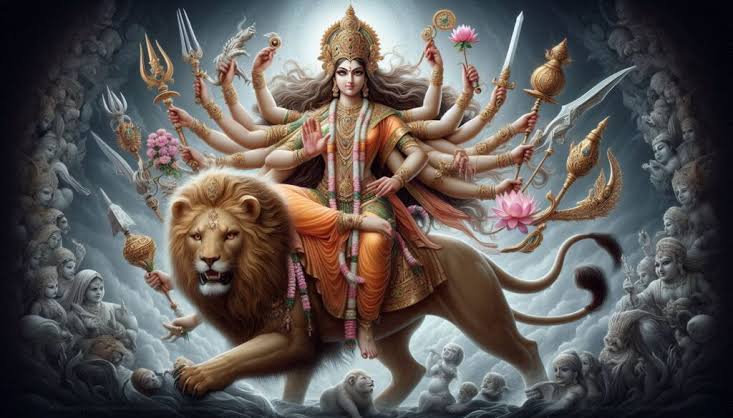
Despite popular assumption that Kumar or Singh dominates, Devi is genuinely the most common surname in India, carried by over 70 million people.
- Represents approximately 4% of India’s total population bearing this specific surname — a genuinely remarkable concentration for a single name.
- Used predominantly by women across India as a marker of respect, honor, or divine association — “Devi” itself translates to goddess in Sanskrit.
- Its widespread use reflects a broader naming convention where many Indian women historically adopted this suffix regardless of specific caste or regional background.
2. Singh — The Symbol of Sikh and Rajput Identity
- Carried by approximately 8 million people, making it India’s second most common surname overall.
- Most strongly associated with the Sikh community, who adopted the name in 1699 when Guru Gobind Singh instructed followers to add the suffix as a symbol of bravery and equality.
- Also widely used among Rajputs and various North Indian communities, extending well beyond purely Sikh usage.
- Sikhs generally don’t support the traditional caste system, which is why Singh functions differently from many other Indian surnames tied specifically to caste identity.
3. Kumar — The Widely Distributed Hindu Name
- Held by approximately 1 million people, and functions as both a standalone surname and common middle name across Indian communities.
- Two possible origin theories exist: some trace it to Kumara, Shiva’s firstborn son (also known as Skanda), while others connect it to the four sons of Brahma known collectively as the Kumaras.
- Genuinely popular across virtually every Indian state and community, making it one of the most geographically widespread surnames in the country rather than being tied to a specific region.
4. Das — Eastern India’s Signature Surname
- Carried by roughly 4 million people, with particularly strong concentration in Eastern Indian states like Bengal and Odisha.
- The name generally signifies devotion and dedication, reflecting its historical religious and spiritual connotations.
5. Kaur — The Sikh Woman’s Identity Marker
- Held by approximately 5 million people, functioning as the female counterpart to Singh within Sikh naming tradition.
- Translates to “princess” and was similarly adopted following Guru Gobind Singh’s 1699 directive, giving Sikh women a shared identity marker independent of caste or family lineage.
6. Ram, Yadav, Kumari, Lal, and Bai — Rounding Out the Top Ten
- Ram remains widely used across Hindu communities nationwide, drawing directly from reverence for the deity Lord Rama.
- Yadav carries strong traditional association with pastoral and agricultural communities, particularly concentrated across North and Central India.
- Kumari functions as the female counterpart to Kumar, following similar widespread usage patterns across Hindu families.
- Lal appears commonly throughout North India, often used as both a given name element and standalone surname.
- Bai has traditionally been used by women, particularly in Western and Central Indian states, similarly to how Devi and Kumari function elsewhere.
What Surnames Reveal About Indian Identity
- India’s surnames often trace back to occupation, religion, caste, or regional origin, offering genuine historical insight into family lineage and social background.
- Geography plays a significant role — surnames like Chatterjee are prevalent specifically in Bengal, while Reddy dominates in Andhra Pradesh and Telangana, illustrating how strongly regional identity shapes naming patterns.
- Some surnames function as direct geographical markers — names like Mumbaitkar or Delhiwala indicate ancestral connection to specific cities, reflecting historical migration patterns within the country.
- India’s surname diversity is genuinely staggering — with nearly 4 million unique surnames recorded and roughly 327 people per unique name on average, reflecting the country’s vast linguistic, religious, and regional complexity.
The Genuine Concentration Pattern
- The top 10 surnames collectively account for 41.4% of India’s entire population, indicating a moderate concentration level — a genuine balance between a handful of extremely common names and enormous underlying diversity.
- The top 5 surnames alone represent approximately 34.4% of the population, showing just how dominant this small cluster of names has become across a country of over 1.4 billion people.
- This concentration pattern reflects India’s complex history of religious, caste-based, and regional naming conventions converging into a relatively small set of dominant surnames, even while millions of less common names persist alongside them.
The Bottom Line
Devi stands as India’s genuinely most common surname, carried predominantly by women as a marker of respect and divine association, while Singh, Kumar, Das, and Kaur round out a top five that together represents over a third of the country’s population. These surnames offer a genuine window into India’s religious diversity, regional identity, and historical naming conventions — from Sikh traditions embedded in Singh and Kaur, to the Hindu spiritual roots underlying Kumar, Devi, and Ram — making India’s surname landscape a genuinely rich reflection of the nation’s broader cultural complexity.
FAQs
Q1. Why is Devi the most common surname despite Singh and Kumar being more commonly associated with Indian names globally?
Devi’s widespread adoption specifically among Indian women as a respectful suffix, cutting across caste and regional lines, gives it a genuinely broader population base than more community-specific names.
Q2. Do Singh and Kaur indicate someone is definitely Sikh?
Not necessarily — while strongly associated with Sikh tradition since 1699, Singh in particular is also used by Rajputs and various other North Indian communities.
Q3. Why do surnames like Das concentrate so heavily in specific regions like Bengal?
Historical migration patterns, regional dialects, and localized religious and cultural traditions have caused certain surnames to become deeply rooted in specific geographic areas over centuries.
Q4. How many unique surnames actually exist in India given how concentrated the top ones are?
India has nearly 4 million unique surnames recorded, showing that despite a few names dominating in population count, genuine surname diversity remains extraordinarily high nationwide.