
Watch closely the next time a black cat crosses a road in India, and you’ll likely see something genuinely fascinating — drivers pausing, pedestrians hesitating, an entire small ritual of collective caution playing out in real time. India’s superstitions are woven so deeply into daily life that most people follow them without ever questioning where they came from. What’s genuinely interesting is that many of these beliefs, however illogical they seem today, actually trace back to practical concerns from an era without electricity, refrigeration, or modern medicine.
| Rank | Superstition | Commonly Cited Origin |
| 1 | Black cat crossing your path | Ancient Egyptian folklore, later linked to Shani (Saturn) |
| 2 | Sneezing before leaving home | Ancient health fears or perceived divine warning |
| 3 | Not cutting nails/hair after sunset | Poor visibility before electricity, injury risk |
| 4 | Lemon and chili (Nimbu-Mirchi) outside homes/shops | Warding off Alakshmi (goddess of misfortune); insecticidal properties |
| 5 | Not sweeping the floor in the evening | Believed to drive away Goddess Lakshmi |
| 6 | Crow calling/crow droppings bringing news or luck | Folk belief in crows as messengers |
| 7 | Avoiding milk after eating fish | Believed to cause skin diseases |
| 8 | Itchy palms signaling incoming money | Widespread folk association with wealth |
| 9 | Avoiding certain activities on Tuesdays/Saturdays | Linked to Hanuman and Shani (Saturn) worship days |
| 10 | Curd and sugar before an exam/important task | Believed to bring good luck and success |
1. Black Cat Crossing Your Path — India’s Most Universal Superstition
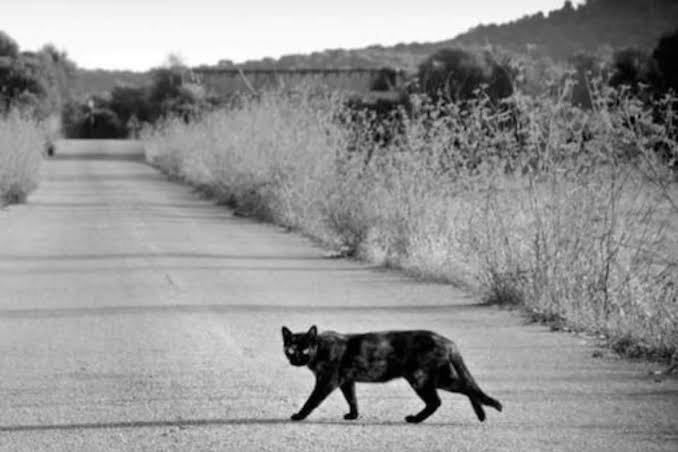
Perhaps the most globally recognized of all Indian superstitions, this belief is taken seriously enough that many drivers and pedestrians stop abruptly the moment a black cat crosses the road ahead of them.
- The origin traces back to ancient Egyptian folklore, where black cats were considered evil creatures — a belief that spread and merged with Indian cultural interpretations over time.
- In India specifically, black is often associated with Shani (Saturn), reinforcing the idea that the cat’s crossing signals impending bad luck.
- A more grounded historical theory suggests that in earlier times, when people traveled through forests and bushes, a fleeing cat might indicate a nearby predator or genuine danger, making the pause a practical precaution rather than pure superstition.
2. Sneezing Before Leaving Home
- Many Indians genuinely pause or delay their departure for a few minutes if someone sneezes just as they’re about to step out.
- Rooted in ancient times, this was originally linked to health fears or perceived divine warnings — sneezing was sometimes seen as an early sign of illness in an era without modern medical diagnosis.
3. Avoiding Nail and Hair Cutting After Sunset
- A widely followed rule across cities and villages alike, this superstition originally emerged from practical necessity rather than pure myth.
- Before electricity, cutting nails or hair in poor evening light genuinely increased the risk of accidental injury — the practical caution eventually transformed into a cultural taboo about “inviting bad luck.”
- Hindus specifically also avoid cutting hair and nails on Saturdays, believed to anger Lord Shani and bring misfortune if disregarded.
4. The Lemon and Chili Ritual (Nimbu-Mirchi)
- One of the most visibly common superstitious practices in India, seen hanging outside homes, shops, and even vehicles nationwide.
- According to Hindu legend, Alakshmi, the goddess of misfortune, favors sour and spicy foods — the hanging lemon and chilies are believed to satisfy her appetite so she doesn’t enter the premises seeking worse mischief.
- A more grounded explanation notes that both lemon and chili have genuine insecticidal properties, meaning the practice may have originally served as a practical way to keep insects away from doorways and shop entrances.
5. Not Sweeping the Floor in the Evening
- Widely believed that Goddess Lakshmi visits homes in the evening, specifically around dusk, and sweeping during this window risks driving her — and the wealth she represents — away.
- This remains one of the more strictly followed household superstitions, particularly among older generations who consider evening cleaning genuinely inauspicious.
6. Crow Calls and Crow Droppings
- A cawing crow near the house is traditionally believed to signal that guests are about to arrive, a folk belief tied to crows’ role as perceived messengers in Indian tradition.
- Even more curiously, crow droppings landing on a person are sometimes interpreted as bringing “Laabh” (good fortune or unexpected gain) rather than being seen simply as an unfortunate accident.
7. Avoiding Milk After Eating Fish
- A commonly cited dietary superstition holds that consuming milk shortly after eating fish causes skin diseases.
- While not scientifically substantiated in the way it’s often described, the belief likely stems from older concerns about food combinations and digestion in eras with less understanding of nutrition science.
8. Itchy Palms Signal Incoming Money
- A genuinely widespread folk belief across India connects an itchy palm with the imminent arrival of money, often specifically the right palm for men and left for women in some regional variations.
- This remains one of the more lighthearted, commonly referenced superstitions, often mentioned in casual conversation rather than taken with the same seriousness as beliefs tied to danger or misfortune.
9. Avoiding Certain Activities on Specific Days
- In many parts of India, Tuesday is considered inauspicious for activities like buying new clothes, shaving, or washing hair, tied to the belief that these actions might anger Hanuman, the deity associated with that day.
- Similarly, Saturday is linked to Shani (Saturn), making it inadvisable for nail-cutting or starting significant new ventures according to traditional belief.
10. Curd and Sugar Before Important Tasks
- A genuinely widespread practice involves eating a spoonful of curd mixed with sugar before leaving for an exam, interview, or other significant task, believed to bring good luck and ensure success.
- The likely practical origin lies in the mixture’s ability to provide instant energy and a calming effect, particularly in hot weather, which over time became associated with good fortune rather than simple nutrition.
Where Practical History Meets Modern Belief
- Many Indian superstitions genuinely share a common pattern: a practical, often safety-related origin from a pre-electricity, pre-modern-medicine era, which gradually transformed into a cultural belief detached from its original reasoning.
- Superstitions in India are typically attributed to a combination of myths, legends, fables, and traditions, often passed down through generations without the original practical context surviving alongside the belief itself.
- Despite modern scientific understanding, many of these practices persist not necessarily out of literal belief, but as genuinely meaningful cultural rituals connecting people to family tradition and identity.
The Bottom Line
India’s superstitions — from pausing for a black cat to hanging lemons and chilies outside a shop — reveal a genuinely fascinating layer beneath the surface: many began as practical responses to real historical concerns around safety, hygiene, or pest control, before evolving into cultural beliefs tied to luck and misfortune. Whether followed out of genuine conviction or simply as inherited family tradition, these practices remain a meaningful thread connecting contemporary Indian life to centuries of accumulated folk wisdom, regardless of how each individual chooses to interpret them today.
FAQs
Q1. Do most Indians today genuinely believe in these superstitions, or follow them out of habit?
Many follow these practices as inherited family tradition or cultural ritual rather than literal belief, though genuine conviction varies considerably by region, generation, and household.
Q2. Is there any scientific basis behind the lemon and chili tradition outside shops?
Yes, both ingredients have documented insecticidal properties, suggesting the practice may have originally served a genuinely practical pest-control purpose.
Q3. Why do so many Indian superstitions specifically involve avoiding activities after sunset?
Most trace back to the pre-electricity era, when poor visibility genuinely increased accident risk for tasks like cutting nails or hair.
Q4. Are these superstitions unique to India, or found in other cultures too?
Several, like the black cat belief, actually originated elsewhere (ancient Egypt) and were later reshaped and reinterpreted within Indian cultural and religious context.