
Matte finish vs glossy finish paint is a decision that depends less on which one is objectively better and more on which wall you’re actually painting. Unlike some of the pipe and paint-type comparisons in this series, this one shows genuinely strong agreement across sources: matte hides flaws and feels calm, glossy survives scrubbing and reflects light. The real skill is matching the finish to the room, not picking a favourite for the whole house.
What Actually Separates the Two, Chemically
The difference comes down to how much pigment versus resin is in the formula, and that ratio shapes everything else.
- Higher pigment volume concentration (PVC) produces a chalkier, more porous, matte finish, while lower PVC gives a smoother, glossier, more durable surface.
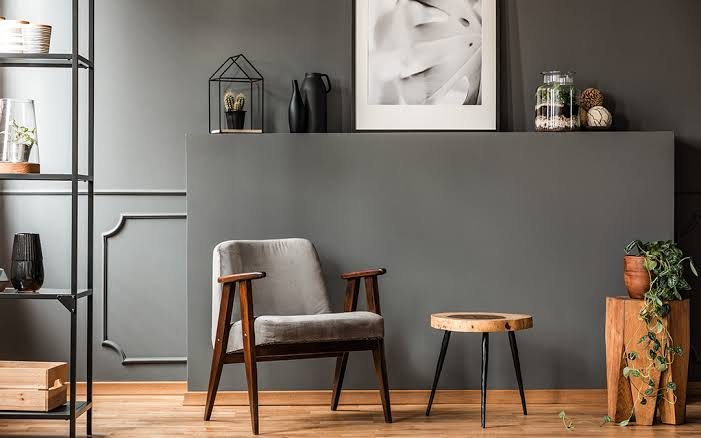
- Matte paint absorbs light instead of reflecting it, which is exactly why it looks flat and feels visually calm on a wall.
- Glossy paint reflects light back into the room, which is why glossy walls can make a space feel brighter and more open than the same room painted matte.
- This resin-versus-pigment trade-off is also the root cause of glossy paint’s durability advantage, less porous paint lets in less dirt, moisture and staining.
Hiding Flaws: Matte’s Clearest Advantage
This matters more in India than the generic global advice suggests, given how common uneven plaster is in older buildings.
- Matte finishes are consistently credited with hiding surface imperfections, small cracks, dents and uneven texture, far better than glossy paint does.
- One India-specific source calls this out directly: matte “works best to hide surface imperfections, thus making it useful for older buildings and walls with uneven plaster.”
- Glossy paint does the opposite, its reflective surface actually highlights curvature and blemishes, meaning walls need proper preparation before a glossy coat goes on.
- If your walls genuinely aren’t perfectly smooth, and in much of India’s older housing stock they aren’t, matte is the more forgiving choice regardless of which room you’re painting.
Durability and Cleaning: Glossy’s Clear Win
Every source agrees on this point without exception.
- Glossy paint is consistently rated more durable, resisting moisture, scratches and stains better than matte across the board.
- Cleaning is where the gap is starkest: glossy surfaces wipe clean with a damp cloth, while matte paint is more porous, so stains and dirt can actually absorb into the paint rather than sitting on top of it.
- Cleaning matte paint too aggressively can strip the finish off entirely, sometimes meaning a full repaint rather than a simple wipe-down.
- Satin and semi-gloss sit deliberately in the middle, offering more durability and easier cleaning than pure matte while staying softer and less reflective than full gloss.
Matching Finish to Room: Where Sources Converge
This is genuinely the most consistent, actionable part of the whole comparison.
- Matte is recommended repeatedly for bedrooms, formal living rooms, study rooms and ceilings, spaces with low traffic where a calm, soft atmosphere matters more than wipeability.
- Glossy or semi-gloss is recommended just as consistently for kitchens, bathrooms, children’s rooms, hallways, and doors or trim, anywhere regular cleaning or moisture exposure is a given.
- One source frames it plainly: avoid matte in a child’s room specifically because marks are difficult to clean off it, exactly the kind of wall that needs to survive crayon and handprints.
- For exterior walls, glossy or semi-gloss is generally the better choice for weather protection, since it resists moisture and UV exposure better than a flat matte finish would outdoors.
Cost in India
Glossy paint’s extra durability and resin content comes with a real price difference.
- One India-specific pricing guide quotes matte paint at roughly ₹12-30 per square foot against ₹18-40 per square foot for gloss paint.
- The reasoning is consistent across sources: gloss paints cost more because of higher resin content and the added durability and washability that resin provides.
- Given that glossy paint typically goes on a smaller share of your total wall area, kitchens, bathrooms, trim, rather than your entire home, this cost difference usually matters less for the overall project budget than it might first appear.
The Middle Ground Worth Knowing About
Satin and semi-gloss exist specifically because full matte and full gloss both have real drawbacks, and most rooms benefit from splitting the difference.
- Satin finish sits between matte and glossy, offering a soft, subtle shine rather than the flat look of matte or the high shine of gloss.
- It’s specifically recommended for hallways and entryways, spaces that see real foot traffic but don’t need the industrial durability of full gloss.
- One source credits satin with being “stronger than matte finish” while still staying closer to matte’s softer visual character, a genuine practical compromise for rooms that don’t fit neatly into either extreme.
- If you’re unsure which way to lean for a specific room, satin is frequently the safer middle option rather than committing fully to either end.
Choosing the Right Finish for Your Walls
The decision comes down to how the room gets used, not a general preference for shine or matte.
- Choose matte for bedrooms, formal living rooms, ceilings and any low-traffic space where hiding wall imperfections matters more than easy cleaning.
- Choose glossy or semi-gloss for kitchens, bathrooms, children’s rooms, hallways, doors and trim, anywhere moisture, touch or regular cleaning is a given.
- Choose satin when you want a middle ground, more durable than matte but without the imperfection-highlighting shine of full gloss.
FAQs
Q1. Can I use matte paint in my kitchen if I clean it carefully?
It’s not recommended, even with careful cleaning. Matte paint is more porous than gloss, so stains and dirt can absorb into the paint itself rather than sitting on the surface, and aggressive cleaning can strip the finish off entirely, sometimes requiring a repaint rather than a simple wipe-down.
Q2. Why does glossy paint make my wall’s imperfections more visible?
Glossy paint’s reflective surface bounces light off the wall, which highlights curvature, dents and uneven texture that matte paint’s light-absorbing finish would otherwise hide. This is why walls getting a glossy coat need more careful surface preparation beforehand than walls getting matte.
Q3. Is matte paint a good choice for older homes with uneven plaster?
Yes, genuinely so. Matte finishes are specifically recommended for older buildings and walls with uneven plaster, since their light-absorbing, slightly textured finish hides surface imperfections far better than a glossy or even satin finish would.
Q4. How much more does glossy paint cost compared to matte in India?
One India-specific pricing guide quotes matte at roughly ₹12-30 per square foot against ₹18-40 for gloss paint, with the gap coming from gloss paint’s higher resin content and added durability. Since gloss is typically used on a smaller portion of total wall area, kitchens, bathrooms and trim rather than the whole house, this cost difference usually has a modest impact on your overall project budget.