
What if some of the most beautiful places in India are actually the ones you’ve never heard of? While everyone rushes toward Goa, Jaipur, and Manali, India’s true wonder often hides somewhere off the beaten path, tucked between high mountains, dense forests, pristine valleys, and peaceful beaches most tourists never think to visit. With growing interest in experiential and slow travel, 2026 has seen these offbeat destinations offer something the mainstream circuit simply can’t, genuine cultural interaction, uncrowded natural beauty, and the kind of memories that come from discovering somewhere before it goes viral. Here’s a guide to the top 10 offbeat tourist destinations in India.
| Rank | Destination | State/Region | Known For |
| 1 | Tirthan Valley | Himachal Pradesh | Riverside stays, trout streams, quiet trails |
| 2 | Ziro Valley | Arunachal Pradesh | Apatani tribal culture, rice fields |
| 3 | Majuli Island | Assam | River island, Vaishnavite monasteries |
| 4 | Gokarna | Karnataka | Raw beaches, spiritual pause from Goa |
| 5 | Mawlynnong | Meghalaya | Asia’s cleanest village, root bridges |
| 6 | Orchha | Madhya Pradesh | Forgotten temples, riverside forts |
| 7 | Gandikota | Andhra Pradesh | “Grand Canyon of India” |
| 8 | Dzukou Valley | Nagaland | Seasonal wildflowers, trekking |
| 9 | Gurez Valley | Jammu & Kashmir | Isolated, picturesque, low tourist influx |
| 10 | Dhanushkodi | Tamil Nadu | Abandoned town where two seas meet |
1. Tirthan Valley — Himachal’s Quiet Alternative to Manali
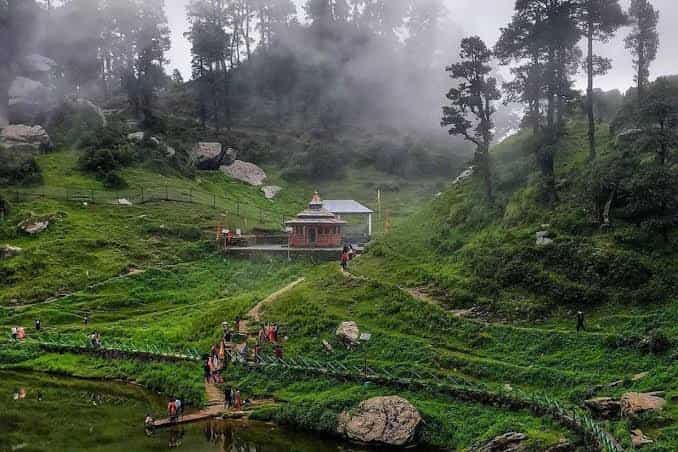
Located near Kullu, Tirthan Valley is quieter than Manali, offering riverside stays, trout streams, and scenic village walks for travellers wanting a genuinely peaceful mountain destination.
- Surrounded by green forests and a clean, flowing river, giving the entire valley a calm, refreshing atmosphere.
- Unlike busy hill stations, Tirthan remains genuinely less explored, making it ideal for slow, unhurried travel.
- A strong pick specifically for people who want to relax away from crowded tourist places without sacrificing scenic mountain beauty.
2. Ziro Valley — Arunachal’s Tribal Heartland
Ziro Valley stands among the most scenic offbeat destinations in Northeast India, home to the Apatani tribe and their distinctive rice-and-fish cultivation system.
- Recognised as a UNESCO World Heritage tentative site for its unique agricultural practices and cultural landscape.
- Offers genuine tribal cultural immersion alongside sweeping views of pine-covered hills and paddy fields.
- Best combined with a broader Northeast India itinerary given the region’s remote, less-connected geography.
3. Majuli Island — The World’s Largest River Island
Majuli sits in the Brahmaputra River in Assam and remains one of India’s most culturally rich yet genuinely underexplored destinations.
- Home to numerous Vaishnavite monasteries (satras), preserving centuries-old religious and artistic traditions.
- Offers a genuinely unique island experience shaped entirely by the Brahmaputra’s shifting waters.
- A strong pick for travellers interested in living cultural heritage rather than purely scenic landscapes.
4. Gokarna — The Pause Instead of the Party
Gokarna sits comfortably among offbeat destinations without trying to replace Goa entirely, offering raw, open beaches and a genuinely more contemplative coastal experience.
- Some beaches require walking to reach, while others simply ask you to sit quietly and watch the waves rather than documenting them.
- Best time to visit: October to March, avoiding both peak summer heat and monsoon disruption.
- A genuine spiritual and relaxed alternative for travellers who’ve already experienced Goa’s livelier scene.
5. Mawlynnong — Asia’s Cleanest Village
Mawlynnong in Meghalaya has built a genuine international reputation for cleanliness, alongside its famous living root bridges that showcase indigenous Khasi engineering.
- Offers a genuinely immersive look at sustainable village life, with community-led conservation practices worth learning from.
- Best combined with a broader Meghalaya trip covering Cherrapunji and Shillong given the region’s compact geography.
6. Orchha — Forgotten Temples by the River
Orchha in Madhya Pradesh offers riverside forts and palaces that feel genuinely forgotten compared to more famous heritage circuits like Rajasthan’s forts.
- Architectural heritage rivals better-known destinations, but without the same crowds or commercialisation.
- A genuine hidden gem for history and architecture enthusiasts wanting Mughal-era grandeur without the tourist rush.
7. Gandikota — India’s Grand Canyon
Gandikota in Andhra Pradesh has earned the nickname “Grand Canyon of India” for its dramatic gorge carved by the Pennar River.
- Offers genuinely striking landscape photography opportunities rarely associated with South Indian tourism.
- A relatively unknown destination even among domestic Indian travellers, making it a genuine discovery for those who make the trip.
8. Dzukou Valley — Nagaland’s Seasonal Wonderland
Dzukou Valley remains one of the best unexplored trekking destinations in India, known specifically for its seasonal wildflower blooms carpeting the valley floor.
- Ranks among the best hidden trekking sites in India alongside Chembra Peak and Gurez Valley.
- Best visited during specific bloom seasons for the full visual impact of the valley’s famous flowers.
9. Gurez Valley — Kashmir’s Least-Explored Corner
Gurez Valley in Jammu & Kashmir is considered one of the least explored places in India, owing to its isolation, picturesque beauty, and genuinely low tourist influx.
- Himalayan destinations like Gurez are best enjoyed between May and September, when the region is more accessible.
- Offers genuinely untouched mountain scenery for travellers willing to navigate its remote location.
10. Dhanushkodi — Where Two Seas Meet
Dhanushkodi in Tamil Nadu carries a genuinely haunting appeal, once a thriving town, now mostly abandoned, sitting exactly where the Bay of Bengal and the Arabian Sea converge.
- The abandoned ruins and unique geographic position make it unforgettable for travellers drawn to places where impermanence teaches its own kind of humility.
- Best time to visit: October to March, avoiding the region’s harsher summer heat.
Frequently Asked Questions
Q1. Are offbeat destinations in India genuinely safe to visit, especially for solo travellers?
A: Most hidden destinations are safe, but it’s worth always checking local conditions beforehand, travelling in groups where possible, particularly in remote areas like Gurez Valley or Dibang Valley, and following basic safety precautions given the more limited infrastructure and connectivity in these regions.
Q2. When is the best time to visit most offbeat destinations across India?
A: Most offbeat places can be visited comfortably from October to March, while Himalayan and Northeast destinations specifically, like Ziro Valley, Gurez Valley, and Dzukou Valley, are generally best enjoyed between May and September when road access and weather conditions are more favourable.
Q3. Are offbeat destinations in India generally more budget-friendly than mainstream tourist spots?
A: Yes, most hidden gems are genuinely budget-friendly precisely because they’re less commercial, meaning affordable local stays and food options are easier to find compared to heavily touristed destinations where prices have risen alongside popularity.
Q4. How can I plan a trip to these lesser-known destinations without much existing infrastructure or online information?
A: Community-driven travel apps like Tripoto offer itineraries from experienced India travellers, the official Incredible India app maintains a government-curated hidden gems database, and Google Maps’ offline mode with curated local lists proves genuinely valuable for areas with poor connectivity, particularly in the Northeast and remote Himalayan regions.