
The first food ever marketed as a “superfood” wasn’t kale or quinoa — it was the banana, promoted this way roughly a century ago, and the term itself has since ballooned to describe at least 136 different plants and animals according to one recent estimate, despite having no official scientific or legal definition anywhere in the world. Understanding why certain foods get elevated to superfood status, and why so many nutritionists genuinely dislike the term, matters for anyone trying to separate real nutritional value from clever marketing.
There Is No Actual Scientific Definition
This is the single most important fact to understand about the entire category: “superfood” is not a scientific or medical classification. No regulatory body, nutrition science organisation, or government health agency maintains an official list or set of criteria a food must meet to earn the label. Merriam-Webster’s dictionary definition, “a food rich in compounds considered beneficial to a person’s health,” is about as precise as it gets, and even that description could technically apply to almost any fruit or vegetable.
As one nutrition researcher put it plainly: by the loose criteria typically used, every fruit and vegetable is technically a superfood, since they all contain some combination of vitamins, minerals, and fibre. The real distinction being drawn isn’t scientific at all, it’s a marketing and media designation created specifically to help sell products, first coined in the 1990s and accelerated dramatically by the internet and social media’s ability to popularise health claims at genuine viral speed.
What Actually Gets a Food Labelled “Super”
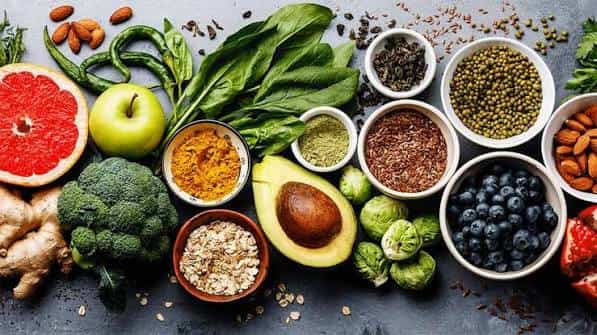
Despite lacking a formal definition, foods commonly called superfoods do tend to share certain real characteristics. They’re typically nutrient-dense, meaning they deliver a substantial amount of vitamins, minerals, and antioxidants relative to their calorie content, and most superfoods are plant-based, spanning berries, leafy greens, seeds, and certain fish rich in omega-3 fatty acids. Antioxidants specifically, natural molecules that help protect cells from damage and may reduce risk factors for heart disease and certain cancers, come up repeatedly across nearly every superfood claim.
Research examining online media and marketing found the most frequently cited effects attributed to superfoods include cardiovascular protection, antioxidant activity, cancer risk reduction, weight loss, and blood pressure management. That’s a genuinely broad, almost universally appealing set of health benefits, which is precisely part of why the label has proven so commercially powerful, it promises something for nearly every health concern a consumer might have.
Why Marketing, Not Nutrition Science, Drives the List
The path from ordinary food to superfood status typically follows a predictable pattern: the food industry needs only some preliminary scientific research on a particular food, a handful of well-worded news articles, and a catchy marketing campaign, and virtually any food can be positioned as a newly discovered superfood. A recent consumer survey found that shoppers are actively seeking out “functional foods” that provide benefits beyond basic nutrition, creating genuine commercial incentive for food companies and marketers to apply the superfood label wherever plausible.
This marketing-first dynamic explains why exotic, unfamiliar foods like goji berries or chia seeds tend to get promoted as superfoods far more readily than a humble Granny Smith apple, even when the apple may offer genuinely comparable nutritional value. As one nutrition writer bluntly observed, brightly coloured, exotic ingredients are simply more marketable than everyday produce, regardless of their actual comparative nutrient content.
The Genuine Scientific Skepticism
Registered dietitians and nutrition researchers have voiced consistent concern about the term specifically because it lacks standardised criteria, creating genuine risk of consumer confusion and misdirected spending. A recognised nutrition researcher pointed out that comparing something like kale to iceberg lettuce doesn’t reveal one food as objectively superior, kale may have more of certain vitamins, but iceberg lettuce’s higher water content simply dilutes its nutrient concentration differently; the basic, well-established principle of nutrition remains dietary variety rather than any single standout ingredient.
Critics have also flagged the genuine financial cost of superfood marketing, since consumers can be misled into spending considerably more money on trendy, “superfood”-branded items that offer little to no meaningfully added nutritional value compared to cheaper, more conventional alternatives. And crucially, no single food, however nutrient-dense, can compensate for an otherwise unhealthy overall diet or lifestyle, a point nutrition experts emphasise repeatedly given how often superfood marketing implies exactly the opposite.
Why the Concept Still Holds Genuine Value
Despite this well-founded skepticism, the underlying idea driving the superfood conversation isn’t entirely without merit. Encouraging people to eat more nutrient-dense fruits, vegetables, and whole foods, rather than highly processed alternatives, is genuinely sound nutritional advice regardless of what specific marketing label gets attached to it. Some registered dietitians suggest reframing the conversation around “nutrient-dense foods” instead, foods genuinely high in vitamins, minerals, and beneficial plant compounds relative to their calorie content, since this framing captures the real nutritional principle without the misleading implication that any single food carries near-magical health powers.
The Bottom Line
“Superfood” is fundamentally a marketing term rather than a scientific classification, one with no official definition, regulatory oversight, or standardised criteria distinguishing it from any other nutrient-rich food, yet it has proven genuinely effective at shaping consumer purchasing decisions by promising broad, appealing health benefits, from cardiovascular protection to cancer risk reduction. The foods commonly given this label often are genuinely nutritious, but the smarter approach nutrition experts consistently recommend is focusing on overall dietary variety and balance rather than chasing any single ingredient assumed to carry outsized health powers. This is general nutrition information, not personalised dietary or medical advice; anyone with specific health conditions or dietary goals should consult a doctor or registered dietitian before making significant changes to their diet.
Frequently Asked Questions
Q1. Is there any harm in eating foods marketed as superfoods?
A: Generally no, since most so-called superfoods are genuinely nutritious foods like berries, leafy greens, and fish, but the real risk lies in overspending on trendy, expensive items believing they offer dramatically superior benefits compared to cheaper, equally nutritious alternatives.
Q2. Can eating superfoods actually prevent diseases like cancer or heart disease?
A: No single food can prevent disease on its own, and while some superfoods have research-backed nutritional benefits linked to reduced disease risk factors, experts caution that the data behind many specific claims remains modest, and no food substitutes for an overall balanced diet and healthy lifestyle.
Q3. Why do exotic foods like goji berries get labelled superfoods more often than common produce?
A: This reflects marketing appeal rather than nutritional superiority, since unfamiliar, exotic-sounding ingredients are simply easier to market as special or premium compared to everyday foods like apples or lettuce, even when actual nutrient content may be comparable.
Q4. What should I focus on instead of chasing specific superfood trends?
A: Nutrition experts consistently recommend prioritising overall dietary variety, eating a wide range of fruits, vegetables, whole grains, and lean proteins, since different foods provide different combinations of essential nutrients, rather than relying on any single food to meet all your nutritional needs.
Q5. Is the term “superfood” regulated by any health or food safety authority?
A: No, there is no official scientific, medical, or regulatory definition for “superfood” anywhere, meaning any food company or marketer can apply the label to virtually any product without meeting any standardised nutritional criteria.