
Solid wood vs engineered wood is a genuinely split comparison, and the split runs deeper than just price. Most furniture retailers tell you engineered wood is the more moisture-resistant, stable choice for Indian humidity. A smaller number of India-climate-focused sources argue the exact opposite, that properly treated solid wood actually handles India’s extreme humidity swings better than cheaper engineered products. Both sides have a real point, and the difference usually comes down to quality grade, something worth understanding before you shop by price alone.
What Each Material Actually Is
The construction method is what drives every durability difference that follows.
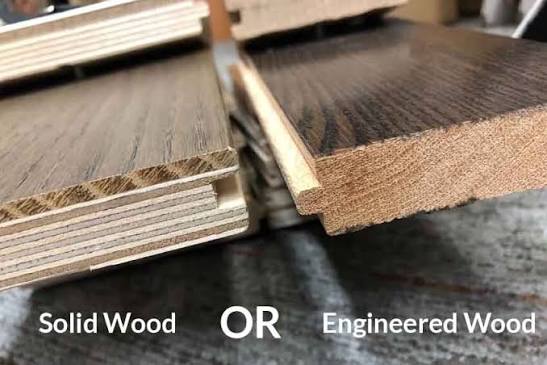
- Solid wood furniture is made from a single piece or solid plank of natural timber, teak, sheesham, mango and similar species being common in India.
- Engineered wood is a composite material, strands, particles, fibres or thin veneers bound together with adhesive, and includes plywood, MDF and particleboard as its main sub-types.
- Solid wood is described as genuinely “alive,” it responds directly to humidity, expanding slightly in Mumbai’s wet season and shrinking in Delhi’s dry winter.
- Engineered wood’s layered construction is specifically designed to resist that kind of natural movement, producing more consistent, uniform panels without the warping that comes from natural grain variation.
Lifespan: A Wide and Genuinely Inconsistent Range
Every source agrees solid wood lasts longer, but the exact numbers swing enough to treat any single figure cautiously.
- Solid wood lifespan estimates range from 50-plus years to as much as 100 years with proper care, according to different sources.
- Engineered wood lifespan is quoted anywhere from 10-15 years to 25-40 years, a genuinely wide spread that likely reflects the big quality gap between premium plywood and cheap particleboard.
- One source frames the real distinction clearly: modern engineered wood is durable enough to last well over a decade, but it “isn’t a heirloom piece,” you likely won’t be passing an MDF wardrobe down to your grandchildren the way a solid teak one might be.
- Solid wood can be sanded and refinished repeatedly over its life, while engineered wood’s thin top veneer typically allows only one or two light refinishing passes before the underlying composite layer shows through.
The Humidity Question: Where Sources Genuinely Disagree
This is worth presenting honestly rather than picking a side, since the disagreement matters for anyone buying furniture in a humid Indian city.
- The more common position across furniture retailers: engineered wood is more moisture-resistant than solid wood generally, since solid wood is prone to warping or cracking in sustained humidity.
- A detailed, India-climate-specific source argues the opposite: “engineered wood and Indian humidity are a bad combination,” specifically calling out lower-grade MDF and particleboard as struggling in India’s extreme humidity swings, while properly kiln-dried solid wood, particularly sheesham with its interlocked grain, resists warping well through changing humidity.
- The likely reconciliation: quality grade matters enormously here, marine-grade plywood genuinely handles moisture well, while cheap particleboard swells and peels under the same conditions, so “engineered wood” as a blanket category hides a huge performance range.
- Where every source agrees without exception: standing water and unnoticed leaks are genuinely bad news for engineered wood specifically, since the edges swell once moisture gets past the laminate or veneer seal.
Cost: Upfront Price Versus Cost Per Year
This reframing matters more than the sticker price alone, and only one source raises it explicitly.
- Solid wood is consistently the more expensive option upfront, reflecting both the decades it takes a hardwood tree like teak to mature and the craftsmanship involved in working solid timber.
- Engineered wood is significantly more affordable, which is exactly why it dominates modular and budget furniture across India.
- One source makes a genuinely useful point most buyers miss: comparing furniture by sticker price alone is the wrong frame, the better comparison is cost per year of actual use, where solid wood’s higher upfront cost but much longer lifespan can work out cheaper over a decade or two than repeatedly replacing engineered wood pieces.
- International pricing from one source, while not India-specific, gives a sense of the relative gap: roughly $5-28 per square foot for solid wood against $4.50-16 for engineered wood.
Repairability and Termites
Two practical factors that matter well beyond the showroom.
- Solid wood can be repaired and refinished repeatedly over its lifetime, dents, scratches and even structural damage can often be sanded out or fixed.
- Engineered wood is explicitly described as unrepairable in the same way, once the thin surface veneer is compromised or the composite core is damaged, restoration options are genuinely limited.
- Good quality engineered wood, because of the adhesive binding its layers, tends to resist termites better than untreated solid wood, which is naturally vulnerable unless properly treated, consistent with the termite concerns already covered for wooden windows earlier in this series.
- This termite resistance is specifically tied to quality: a well-made engineered product resists pests reliably, while solid wood needs active termite treatment to achieve the same protection.
A Common Buyer Mistake Worth Avoiding
This is a genuinely practical warning that applies directly to Indian furniture shopping.
- One source flags assuming “wooden furniture” always means solid wood as a common and costly mistake, much of what’s marketed this way is actually a veneer or laminate finish over an engineered wood core.
- Checking the backside or an edge of a piece is usually enough to tell you what you’re actually buying, solid wood shows consistent grain all the way through, while engineered wood reveals its layered or composite structure at any cut edge.
- Choosing MDF specifically for beds or other heavy daily-use furniture is flagged as another common mistake, since that category of engineered wood isn’t built for the sustained structural load solid wood handles more naturally.
Making the Right Choice
The decision comes down to budget, how long you expect to keep the piece, and how much structural load it needs to bear.
- Choose solid wood for beds, dining tables and any heirloom or heavy-use piece where decades of service and repairability matter more than upfront cost.
- Choose good-quality engineered wood for modular furniture, budget-conscious purchases, and pieces where consistent, uniform panels matter more than natural character.
- Check the grade, not just the category, marine-grade plywood and premium MDF perform very differently from cheap particleboard, so ask specifically what grade you’re buying before assuming “engineered wood” means one fixed level of quality.
FAQs
Q1. Is engineered wood actually more moisture-resistant than solid wood in India’s humid cities?
Sources genuinely disagree here. Most furniture retailers say yes, generally, but a detailed India-climate-focused source argues lower-grade engineered wood specifically struggles in India’s humidity, while properly treated solid wood like teak or sheesham handles it well. Quality grade likely explains the gap, marine-grade plywood performs very differently from cheap particleboard.
Q2. Can engineered wood furniture be repaired if it gets damaged or scratched?
Only in a limited way. Engineered wood allows just one or two light refinishing passes before the thin top veneer wears through to the composite core underneath, and deeper structural damage generally can’t be repaired the way solid wood can. Solid wood, by contrast, can be sanded and refinished repeatedly over its lifetime.
Q3. Why does solid wood cost so much more than engineered wood upfront?
Mainly because of how long it takes a hardwood tree like teak to mature, decades, combined with the craftsmanship involved in working solid timber into furniture. One source suggests comparing cost per year of use rather than sticker price alone, since solid wood’s much longer lifespan can make it cheaper overall despite the higher initial cost.
Q4. Is it true that most “wooden furniture” sold in India isn’t actually solid wood?
This is flagged as a genuinely common buyer mistake, much of what’s marketed as wooden furniture is actually a veneer or laminate finish over an engineered wood core. Checking the backside or a cut edge of the piece usually reveals the real material, solid wood shows consistent grain throughout, while engineered wood reveals its layered structure.