
India loses an estimated ₹1.5 lakh crore to financial fraud every year, and the number keeps accelerating — cyber fraud cases alone surged 25% year-on-year into 2026, as scammers weaponize artificial intelligence, the UPI payment network, and social media to reach ordinary citizens at genuinely unprecedented scale. From fake TRAI officials threatening to block your SIM to matrimonial profiles hiding an entire second marriage, understanding exactly how these scams operate remains your single strongest protection against becoming the next statistic.
| Rank | Scam Type | How It Typically Works |
| 1 | UPI/QR Code Fraud | Fake “collect requests,” fraudulent QR codes, refund scams |
| 2 | OTP Fraud | Fake KYC/delivery/refund messages requesting OTP sharing |
| 3 | Fake Job Offers | Interview fees, training deposits, vague company domains |
| 4 | Fake Government Official Calls (TRAI/Cybercrime) | SIM-block threats, intimidation, demands for “fines” |
| 5 | Lottery/Prize Scams | Fake winnings requiring “advance fee” or “tax” payment |
| 6 | Tech Support Scams | Fake virus warnings, remote access requests, fake repair charges |
| 7 | Matrimonial Fraud | Concealed identity, hidden prior marriage/divorce |
| 8 | Real Estate/Property Fraud | Fake listings, forged documents, illegal construction |
| 9 | Money Mule Recruitment | “Part-time” jobs asking you to receive/transfer funds |
| 10 | AI Voice Cloning/Deepfake Scams | Cloned voices of family/executives demanding urgent money |
1. UPI and QR Code Fraud — India’s Most Frequent Digital Trap
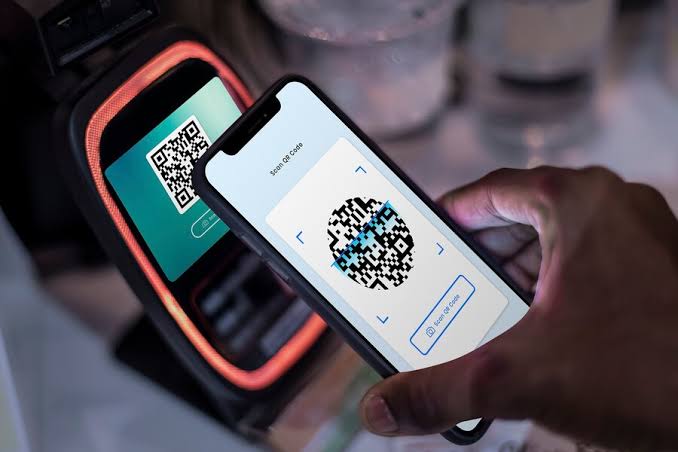
With billions of UPI transactions processed monthly, this has become genuinely the most common entry point for everyday financial fraud.
- Scammers exploit collect requests, QR codes, refund claims, and payment reversal messages to trick victims into approving fraudulent transactions.
- A genuinely important rule: a real payment should never require you to approve a request from an unknown person just to receive money.
- Fake QR codes placed at shops or shared digitally are another common trick used specifically to steal money under the guise of a legitimate transaction.
2. OTP Fraud — The Universal Red Flag
- Any message requesting you to share a one-time password for KYC updates, bank verification, parcel delivery, or refunds should be treated as inherently high risk.
- No legitimate bank, courier company, or government agency will ever genuinely need your OTP over a phone call or message — this remains true across every context, without exception.
3. Fake Job Offers — Preying on Job Seekers
- Job scams are rising rapidly in India as more people actively search for opportunities online, particularly in digital spaces and remote work-from-home listings.
- Watch for interview fees, training deposits, vague company domains, and pressure to shift conversations from email to messaging apps — all genuine warning signs.
- Scammers create professional-looking ads and pose as legitimate companies, using recruiter language convincing enough to fool unsuspecting graduates and professionals in transition.
4. Fake Government Official Calls — The TRAI and Cybercrime Impersonation Scam
- Scammers impersonate Telecom Regulatory Authority of India (TRAI) officials, falsely claiming your mobile number is linked to illegal activities and threatening to suspend your service.
- Victims are then transferred to a second caller posing as a cybercrime officer, intensifying the intimidation before pressuring payment of “fines.”
- In one documented case, a gang in Ahmedabad used VoIP calls impersonating TRAI officials to cheat thousands of victims through SIM-blocking threats alone.
5. Lottery and Prize Scams — An Old Trick That Still Works
- Victims receive unexpected notifications claiming they’ve won a lottery or prize, despite never having participated in any such contest.
- Scammers demand upfront “processing fees” or “taxes” to release the supposed winnings, often accompanied by fake official-looking documents or websites.
- The single most reliable red flag: legitimate lotteries never ask winners to pay fees in advance — this rule alone eliminates the vast majority of these scams instantly.
6. Tech Support Scams
- Scammers send unsolicited pop-ups or calls warning of computer viruses, then request remote access to “fix” the supposedly compromised device.
- Once granted access, they either charge for unnecessary or entirely fake repairs, or use the access itself to steal financial and personal data directly.
7. Matrimonial Fraud — A Genuine Emotional and Financial Risk
- One of the most common matrimonial frauds involves concealing identity information — age, marital status, religion, or even real name — with fraudsters posting spectacular profiles specifically designed to win trust instantly.
- Genuinely concerning trend: an increasing number of cases involve concealed previous marriages, pending divorces, or a living spouse, often only discovered after the new marriage has already taken place.
- Contributing factors include the proliferation of online matrimonial platforms, urban migration, and a poor culture of background verification before finalizing alliances.
8. Real Estate and Property Fraud
- Property fraud is becoming increasingly sophisticated across major cities including Mumbai, Thane, Pune, and even tier-2 markets, ranging from fake listings to illegal, unauthorized construction.
- The lack of awareness among first-time buyers remains a primary reason this fraud continues to succeed despite growing digital access to property information.
- Most of these scams can genuinely be avoided through proper document verification and due diligence before making any payment.
9. Money Mule Recruitment — Turning Victims Into Unknowing Criminals
- “Part-time payment” or “account handling” job offers promising easy commissions are typical recruitment traps for money mule networks.
- The Reserve Bank of India flagged 1 lakh such accounts in 2022, while the Indian Cyber Crime Coordination Centre had identified over 4,000 networks by 2024 — reflecting the sheer scale of this laundering infrastructure.
- If you ever receive unexplained funds in your account, freeze it immediately and report through the cybercrime portal or 1930 helpline, since accepting such transfers, even unknowingly, can create genuine legal exposure.
10. AI Voice Cloning and Deepfake Scams — 2026’s Fastest-Growing Threat
- Criminals increasingly use Generative AI to create hyper-realistic voices and videos for impersonation, targeting both individuals and businesses.
- In 2026, this technology has genuinely escalated digital arrest scams, with fraudsters using AI-generated police uniforms and background audio to convincingly simulate real police stations during video calls.
- Treat any urgent, emotionally charged request for money — even one that sounds exactly like a family member’s voice — with genuine skepticism until independently verified through a separate channel.
How to Protect Yourself Across All These Scam Types
- Never share your OTP, UPI PIN, or bank credentials with anyone, regardless of how official or urgent the request sounds.
- Verify independently — call back through an official number you already have, not one provided by the caller.
- Treat voice notes, video calls, and social media profiles as evidence to verify, not proof by themselves, given how convincingly AI can now replicate both appearance and voice.
- Report suspicious activity immediately through the National Cyber Crime Reporting Portal (cybercrime.gov.in) or the 1930 helpline.
The Bottom Line
From UPI collect-request fraud and fake TRAI calls to matrimonial deception and AI-powered voice cloning, India’s scam landscape in 2026 spans both decades-old tricks and genuinely new technology-driven threats, unified by the same core tactic — creating urgency and trust to bypass your normal judgment. The single most reliable defense across nearly every scam on this list remains the same: never act on urgency alone, always verify independently through channels you control, and remember that no legitimate institution ever needs your OTP, PIN, or advance payment to give you something you’re owed.
FAQs
Q1. How can I quickly verify if a call claiming to be from TRAI or cybercrime police is genuine?
Hang up and call the official TRAI or police number directly; legitimate officials never threaten immediate SIM blocking or demand phone-based payments.
Q2. What should I do if I accidentally received money in my account from an unknown source?
Freeze the account immediately and report it via cybercrime.gov.in or the 1930 helpline, since unexplained transfers can indicate mule account recruitment.
Q3. Are matrimonial site background checks genuinely necessary even for well-reviewed profiles?
Yes, verifying identity documents, address history, and family background independently remains essential regardless of how polished or trustworthy a profile appears.
Q4. Can AI-generated voice or video calls really be convincing enough to fool close family members?
Yes, AI cloning technology has advanced enough to replicate voices convincingly, making independent verification through a separate channel genuinely essential before sending money.