
Anjar has survived what few Indian cities have been tested by. The January 26, 2001 Gujarat earthquake — one of the most devastating in India’s recorded history — struck on Republic Day morning and killed over 20,000 people across Kutch district. Anjar, sitting 39 kilometres from the epicenter near Bhachau, suffered massive destruction. The rebuilding that followed was comprehensive and deliberate, and the Anjar that stands today is largely a rebuilt city whose urban fabric reflects the design and planning decisions of post-earthquake reconstruction rather than organic historical growth.
The Anjar Bus Station in Kushal Nagar is approximately 1 to 2 kilometres from the city center — a standard district town bus stand serving the daily transit needs of a city that has grown into a genuinely active commercial and craft center in the 24 years since the earthquake. Anjar has historically been the capital of the Kingdom of Kutch, declared so in 1545, and its craft traditions — metal crafts, swords and knives, local embroidery, and the Kutchi food culture that gave India Dabeli, Kutchi Pakwan, and Farsan as beloved street food exports — give the town a cultural significance that outlives its infrastructural disruptions. Regular transit lines from the bus station connect to major cities including Ahmedabad, Mumbai, Pune, Udaipur, Rajkot, Indore, and Bhopal, giving Anjar road connectivity whose breadth reflects the trading networks of a Kutchi merchant community with national commercial reach.
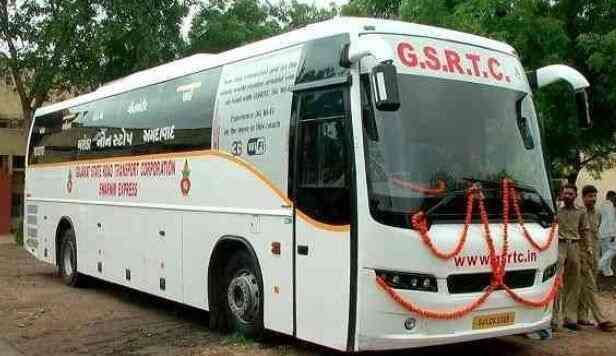
| Detail | Information |
| Name | Anjar Bus Station / Anjar S.T. Bus Stand |
| Location | Kushal Nagar, Anjar, Kutch District, Gujarat — 370110 |
| Distance from City Center | Approx. 1–2 km |
| Operated By | GSRTC (Primary); Private Operators |
| Key Routes | Bhuj, Gandhidham, Ahmedabad, Mumbai, Rajkot, Udaipur, Indore, Bhopal, Pune |
| Distance from Bhuj | Approx. 39 km; 1–1.5 hours |
| Distance from Gandhidham | Approx. 15 km; 25–30 minutes |
| Distance from Ahmedabad | Approx. 350 km; 5.5–6.5 hours |
| Distance from Adipur | Approx. 15 km |
| Distance from Bhachau | Approx. 35 km |
| Nearest Railway Station | Anjar Railway Station (AJE) — Approx. 1 km; Gandhidham–Bhuj section |
| Nearest Airport | Bhuj Airport (Rudra Mata) — Approx. 44 km |
| Historical Significance | Capital of Kingdom of Kutch declared 1545 |
| Governing Authority | GSRTC, Kutch Division |
Location
Anjar Bus Station is in the Kushal Nagar zone of Anjar — positioned within the town’s newer, post-earthquake rebuilt urban fabric that replaced most of the pre-2001 built environment. The station’s proximity to Anjar Railway Station — the single-platform station on the Gandhidham-Bhuj Western Railway section, approximately 1 kilometre away — creates a practical bus-rail transfer point despite the modest rail infrastructure. The nearby RTO Circle and Fire Station are the commonly cited navigation landmarks for travelers unfamiliar with the Anjar road layout.
Directions
From Anjar Railway Station: Travel approximately 1 kilometre by auto-rickshaw, 5 minutes. The station on the Gandhidham-Bhuj section halts important trains including the Sayajinagari Express and the Kutch Express.
From Bhuj: Travel eastward approximately 39 kilometres, 1 to 1.5 hours by GSRTC. The route passes through the earthquake-zone landscape toward the district headquarters.
From Gandhidham: Travel westward approximately 15 kilometres, 25 to 30 minutes.
From Adipur: Travel eastward approximately 15 kilometres, 20 to 30 minutes through the Anjar-Adipur road connection.
From Ahmedabad: Travel westward via NH-48 and the Kutch highway approximately 350 kilometres, 5.5 to 6.5 hours by GSRTC overnight or day service.
Connectivity
Anjar Railway Station (code AJE) on the Gandhidham-Bhuj Western Railway section handles several important long-distance trains despite its single-platform modest infrastructure — the Sayajinagari Express, Kutch Express, and Ala Hazrat Express all halt here. Gandhidham Junction 15 kilometres east is the more powerful rail hub for intercity rail access. The GSRTC services toward Bhuj, Gandhidham, and Ahmedabad form the backbone of Anjar’s daily intercity mobility, with private operators significantly supplementing on the Ahmedabad, Mumbai, and Rajasthan corridors.
Nearby Areas
GIDC Anjar: The Gujarat Industrial Development Corporation industrial estate near Anjar houses manufacturing units that generate a significant daily industrial workforce movement through the bus station. Lakhpat Fort: The medieval walled fort at the western tip of Kutch, accessible from Bhuj and the broader Kutch road network, is among Gujarat’s most atmospheric heritage destinations. Rann of Kutch: The White Rann’s salt flats — accessible from Bhuj — draw enormous festival tourism during the annual Rann Utsav from October to February, with Anjar’s bus station serving as an intermediate stop for Kutch-bound visitors from Gandhidham and the east.
Frequently Asked Questions (FAQs)
Q1. Where is Anjar Bus Station located?
Kushal Nagar, Anjar, Kutch District, Gujarat — approximately 1 to 2 km from the city center and 1 km from Anjar Railway Station.
Q2. How far is Anjar from Bhuj?
About 39 km, taking 1 to 1.5 hours by GSRTC bus.
Q3. What is historically significant about Anjar?
Anjar was declared the capital of the Kingdom of Kutch in 1545 and is also the origin of famous Indian street foods like Dabeli, Kutchi Pakwan, and Farsan.
Q4. Which trains halt at Anjar Railway Station?
The Sayajinagari Express, Kutch Express, and Ala Hazrat Express halt at Anjar Railway Station (AJE) on the Gandhidham-Bhuj section.
Q5. How far is Anjar from Gandhidham?
About 15 km — approximately 25 to 30 minutes by bus or shared auto through the eastern Kutch road network.