
Nearly everything in modern Indian life touches a chemical manufacturer’s product somewhere along the way — the adhesive holding your furniture together, the fertilizer that grew your food, the plastic in your phone case, the refrigerant cooling your home. This list of the top 10 chemical manufacturers in India 2026 covers the companies behind that invisible supply chain, in an industry that’s made India the world’s sixth-largest chemical producer.
With the government backing three new dedicated chemical parks under the Union Budget 2026-27 and specialty chemicals driving increasing margins across the sector, understanding who’s actually leading India’s chemical manufacturing landscape has become genuinely relevant, whether you’re a business buyer, an investor, or simply curious about the industry.
Company Snapshot
| Company | Founded/Segment Leader Since | Known For | Scale Indicator |
| Reliance Industries (O2C) | Petrochemicals giant | Petrochemicals, polymers, transportation fuels | ₹6.62 lakh crore O2C revenue (FY25-26) |
| Pidilite Industries | 1959 | Fevicol, adhesives, specialty chemicals | ₹1,48,524 crore market cap |
| SRF Limited | Legacy diversified player | Fluorochemicals, packaging, technical textiles | ₹15,787 crore FY26 revenue |
| Tata Chemicals | Established Tata Group company | Soda ash, specialty and life sciences chemicals | Long-established diversified operations |
| Atul Limited | Multi-decade diversified manufacturer | Performance chemicals, life sciences, aromatics | Serves 30+ industries |
| Solar Industries India | 1995 | Industrial and defence explosives | Largest Indian explosives manufacturer |
| Navin Fluorine International | 1967 | Refrigerants (Mafron), HFO technology | Only Indian HFO manufacturer |
| Gujarat Fluorochemicals (GFL) | Established fluorochemicals major | Fluoropolymers, green hydrogen, battery materials | ₹35,504 crore market cap |
| Deepak Nitrite | Established specialty chemicals firm | Diversified product offerings, global clients | Strong export presence |
| UPL Limited | Established agrochemicals major | Crop protection, specialty chemicals | Global agrochemical reach |
1. Reliance Industries (Oil-to-Chemicals Segment)
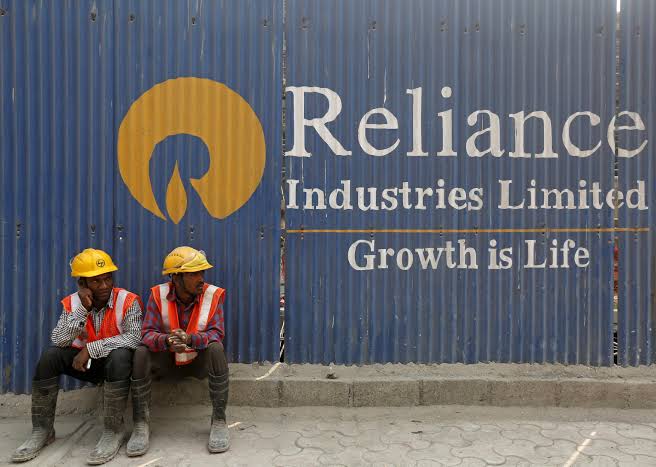
Reliance ranks first for a straightforward reason — its Oil-to-Chemicals business operates on a scale no other Indian chemical producer comes close to matching.
- Reported record O2C segment revenue of approximately ₹6.62 lakh crore in FY2025-26, with EBITDA around ₹60,546 crore
- Business spans petrochemicals, polymers, polyester intermediates, and transportation fuels
- Recognized globally as one of the world’s largest chemical manufacturers by revenue
- Actively investing in new materials and circularity initiatives, extending its relevance well beyond conventional refining
2. Pidilite Industries
Pidilite has built something rare in the chemical industry — genuine household brand recognition, largely through its iconic Fevicol adhesive brand.
- Founded in 1959 by Balvant Parekh, headquartered in Mumbai
- India’s largest specialty chemicals company by market capitalisation, at roughly ₹1,48,524 crore
- FY26 revenue of ₹14,601 crore, growing 11%, with net profit of ₹2,471 crore, up 18%
- Branded portfolio including Fevicol, Dr. Fixit, M-Seal, Araldite, and Roff commands exceptional pricing power
- Operates through 50+ distribution centres and 70 manufacturing units, serving 3.8 lakh dealers and retailers nationwide
3. SRF Limited
SRF has built a genuinely diversified chemical business, combining fluorochemicals with technical textiles and packaging films rather than depending on a single product category.
- Market capitalisation of roughly ₹79,286 crore, with FY26 revenue of ₹15,787 crore, growing 7%
- Net profit growth of 46% reflects improving operational efficiency alongside revenue growth
- Diversified operations across performance chemicals and specialty applications provide resilience against single-segment downturns
- Recognized among India’s strongest exporters within the chemical sector
4. Tata Chemicals
Tata Chemicals carries the broader Tata Group’s reputation for stability into the chemical sector, with operations spanning basic and specialty chemistry.
- One of India’s most established diversified chemical manufacturers
- Core strength in soda ash production alongside growing specialty and life sciences chemical segments
- Benefits from the Tata Group’s broader industrial infrastructure and financial stability
- Positioned as a dependable, long-term player rather than a high-growth disruptor
5. Atul Limited
Atul has built genuine revenue resilience through sheer diversity — its specialty chemical portfolio spans performance chemicals, life science chemicals, and aromatic compounds across more than 30 industries.
- Multi-decade history of diversified specialty chemical manufacturing
- Serves a uniquely broad range of industries, reducing dependency on any single sector’s demand cycle
- This diversification provides stability that more narrowly focused chemical companies can’t match
- Positioned as a genuinely resilient player through varying economic and industry-specific cycles
6. Solar Industries India
Solar Industries occupies a genuinely unique position in this list — it’s India’s largest defence explosives manufacturer, straddling both civilian industrial and military applications.
- Founded in 1995, headquartered in Nagpur
- Leading industrial explosives company supplying mining and construction sectors, alongside India’s armed forces
- Supplies advanced defence systems including the ‘Nagastra’ loitering munition and ‘Pinaka’ rocket systems
- Market capitalisation of roughly ₹35,504 crore, with FY26 revenue near ₹4,737 crore and strong 5-year CAGR of 21%
7. Navin Fluorine International
Navin Fluorine carries genuine pioneering credentials — it was the first company to introduce refrigerants in India, and it remains the country’s only manufacturer of new-age hydrofluoroolefins (HFO).
- Established in 1967, flagship company of the Padmanabh Mafatlal Group
- Widely recognized for its flagship refrigerant brand ‘Mafron’
- Provides critical chemical solutions for pharmaceuticals, agrochemicals, electronics, and automotive industries
- Maintains a strong international footprint alongside its domestic manufacturing leadership
8. Gujarat Fluorochemicals (GFL)
GFL has positioned itself at the intersection of traditional fluorochemicals and genuinely forward-looking green technology segments.
- Operations divided across Fluoropolymers, Fluorochemicals (including R-22 and R-32 refrigerants), Bulk Chemicals, and New-age Industries
- New-age segment focuses specifically on battery materials and green hydrogen production
- Operates three vertically integrated manufacturing facilities in Gujarat, plus 15 total plants including subsidiaries
- Represents the chemical industry’s broader pivot toward sustainability-linked product lines
9. Deepak Nitrite
Deepak Nitrite has built a reputation for diversified product offerings and genuinely global client relationships within the specialty chemicals space.
- Known specifically for diversified chemical intermediates serving multiple downstream industries
- Strong export presence contributing to consistent revenue growth
- Frequently cited alongside SRF and Aarti Industries as a leading specialty chemicals performer
- Reflects the broader industry shift toward higher-margin specialty products over commodity chemicals
10. UPL Limited
UPL rounds out this list as one of India’s major players specifically in agrochemicals, an essential category given the country’s massive agricultural sector.
- Global reach in crop protection and specialty agricultural chemicals
- Diversified product offerings serving farmers and agricultural businesses both domestically and internationally
- Positioned among India’s most globally recognized agrochemical exporters
- Represents the critical intersection between India’s chemical industry and its agricultural economy
Understanding India’s Chemical Industry Landscape
A few practical points help make sense of where this sector is headed and why these particular companies matter:
- Specialty chemicals are outpacing bulk chemicals in margin growth — companies like Pidilite, SRF, and Atul benefit from higher-value, differentiated products rather than competing purely on commodity pricing
- Government policy is actively shaping the sector — the Union Budget 2026-27 allocated significant funding to the Ministry of Chemicals and Fertilizers, alongside PLI schemes for Bulk Drug Parks and new dedicated chemical parks
- Green chemistry is a genuine growth driver, not just marketing — India’s green chemicals market is expected to exceed US$15 billion by 2027, pushing companies like GFL toward battery materials and green hydrogen
- Exports remain central to the industry’s growth story — many leading companies, from Navin Fluorine to UPL, derive significant revenue from international markets, benefiting from the broader shift away from Chinese supply chains
- Scale alone no longer defines industry leadership — manufacturing depth, technology, product diversity, and R&D strength increasingly separate leading companies from purely large-revenue producers
FAQs
Q1. What’s the difference between bulk chemicals and specialty chemicals, and why does it matter for investors?
Bulk chemicals are produced in large volumes with lower margins and price sensitivity, while specialty chemicals are differentiated, higher-value products with better pricing power. Companies like Pidilite and SRF that lean toward specialty chemicals typically show more resilient margins than pure bulk-chemical producers during market downturns.
Q2. Why is Reliance Industries considered a chemical company when it’s primarily known for oil and telecom?
Reliance’s Oil-to-Chemicals (O2C) segment alone generates chemical industry revenue larger than most standalone chemical companies globally, spanning petrochemicals, polymers, and polyester intermediates. This scale is why Reliance ranks as one of the world’s largest chemical manufacturers by revenue, even though it’s not exclusively a chemical company.
Q3. How do government PLI schemes and chemical parks actually benefit companies on this list?
These initiatives reduce manufacturing costs and dependency on imported raw materials by supporting domestic production infrastructure, directly benefiting companies expanding capacity, like GFL and Solar Industries. For newer or smaller manufacturers, these schemes also lower the barrier to entering specialty and bulk drug intermediate production.
Q4. Which of these companies are most exposed to export markets, and why does that matter?
Navin Fluorine, UPL, SRF, and Deepak Nitrite all maintain significant export operations, benefiting from global buyers shifting supply chains away from China. This export exposure means their performance is tied not just to Indian demand but also to international trade dynamics, currency fluctuations, and global manufacturing shifts.