
Every litre of used cooking oil collected from a roadside dhaba, every tonne of non-edible seed oil pressed from a Jatropha plant, and every drop of waste animal fat diverted from disposal now has a genuine second life in India — turned into biodiesel through this list of the top 10 biodiesel manufacturers in India 2026. The government’s National Biofuel Policy targets 5% biodiesel blending in diesel by 2030, and the companies covered here are the ones actually building that supply chain, from a single 80-million-gallon-a-year giant to smaller regional players collecting waste cooking oil through the FSSAI’s RUCO scheme.
Biodiesel remains a genuinely developing sector in India compared to more established biofuels like bioethanol, but the momentum is real, backed by growing feedstock collection networks and rising demand from oil marketing companies. Here’s a clear look at who’s leading it.
| Company | Location | Feedstock/Focus | Notable Detail |
| Universal Biofuels | Kakinada, Andhra Pradesh | Non-edible oils, glycerin | India’s largest biodiesel producer, 80M gallons/year |
| Kotyark Industries | India-based | Pure-play biodiesel | Migrated to NSE Main Board in March 2026 |
| Rajputana Biodiesel | Phulera, Rajasthan | Used cooking oil, animal fats | Expanding with new Meerut facility |
| BioD Energy | Haryana, UP, Maharashtra | Multi-state production | Diversified regional presence |
| Emami Agrotech | India-based (Emami Group) | Biodiesel and agri products | Operating since 2002 |
| Biodiesel Technocrats | Kolkata, Delhi, Nagpur | Plant design and manufacturing | Since 2002, custom processing facilities |
| Praj Industries | Pune-based | Bioenergy engineering solutions | Major bioenergy plant technology provider |
| Muenzer Bharat | India-based | Biodiesel production | Recognized industry player |
| Shirke Energy | India-based | Biodiesel manufacturing | Established renewable energy producer |
| Pan Oleo Energy | India-based | Biodiesel manufacturing | Growing renewable fuel producer |
1. Universal Biofuels
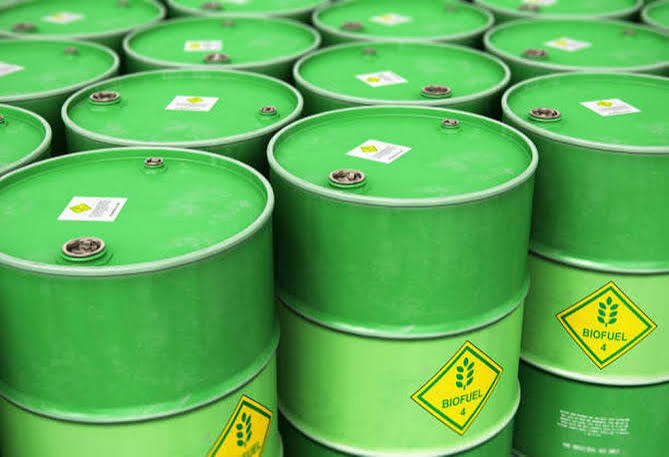
Universal Biofuels holds the clear top position in India’s biodiesel industry, both by production capacity and by sheer operating longevity.
- Wholly owned subsidiary of Aemetis, Inc., a US-based renewable fuels company, with corporate headquarters in Hyderabad
- Main production facility located near the Port of Kakinada, Andhra Pradesh, with direct pipeline access for efficient export logistics
- Expanded biodiesel capacity to 80 million gallons annually, making it India’s largest single producer
- Has operated in India for more than 17 years, converting waste from the edible oil industry into high-quality biodiesel
- Reported approximately $112 million in revenue from biodiesel and refined glycerin sales in the year ended September 2024
2. Kotyark Industries
Kotyark has built its entire business model as a genuinely focused, pure-play biodiesel manufacturer, a rarer positioning in an industry where many players diversify across multiple product lines.
- Recently migrated from the SME platform to the NSE Main Board in March 2026, reflecting growing scale and investor confidence
- Business model built entirely around sustainability-focused biodiesel production
- Represents the maturing segment of India’s biodiesel sector as smaller specialists scale toward mainstream listing
- Growing recognition as a dedicated player rather than a diversified conglomerate dabbling in biofuels
3. Rajputana Biodiesel
Rajputana has grown quickly since debuting on the NSE SME platform in late 2024, expanding its footprint through new facility investments.
- Originally based at a multi-feedstock facility in Phulera, Rajasthan
- Expanding capacity through an 80 KLPD facility enhancement in Meerut via a subsidiary
- Specializes in producing high-grade biodiesel alongside its valuable byproduct, glycerin
- Uses raw materials including used cooking oil and animal fats as core feedstock inputs
4. BioD Energy
BioD Energy has built a genuinely diversified regional presence, operating production facilities across multiple states rather than concentrating in a single location.
- Operations span Haryana, Uttar Pradesh, and Maharashtra
- Multi-state footprint provides logistical advantages for serving different regional demand centers
- Represents the kind of geographically distributed manufacturing India’s biodiesel sector needs to reduce transport costs
- Contributes to the broader network supplying oil marketing companies across North and West India
5. Emami Agrotech
Emami Agrotech brings the backing of the well-established Emami Group into India’s biodiesel manufacturing space, with roots dating back over two decades.
- Operating in India’s biodiesel sector since 2002, among the longer-established players on this list
- Part of the broader Emami Group of Companies, benefiting from established corporate infrastructure
- Involved in a range of agricultural and biofuel-related operations beyond biodiesel alone
- Long operating history reflects genuine staying power in a sector that has seen many smaller players come and go
6. Biodiesel Technocrats
Biodiesel Technocrats occupies a somewhat different niche — rather than purely producing biodiesel, the company specializes in designing and building biodiesel processing facilities for other manufacturers.
- Headquartered in Kolkata, with specialized processing facilities also in Delhi and Nagpur
- Operating since 2002, with a dedicated Research Laboratory driving ongoing process innovation
- Known for cutting-edge adsorbent technology that enables production of consistently high-quality biodiesel
- Offers a complete range of environmentally friendly, sustainable biodiesel processing equipment to other manufacturers
7. Praj Industries
Praj Industries brings genuinely significant engineering scale into India’s broader bioenergy ecosystem, though its footprint extends well beyond biodiesel alone into bioethanol and compressed biogas.
- Leading name in bioethanol, compressed biogas (CBG), and integrated bioenergy engineering solutions
- Supports biomass-based energy systems, indirectly strengthening the broader ecosystem biodiesel producers also depend on
- Publicly listed, established Pune-based engineering company with a strong domestic and international reputation
- Relevant to biodiesel specifically through its plant design and engineering expertise supplied to bioenergy projects nationwide
8. Muenzer Bharat Private Limited
Muenzer Bharat has built recognition within India’s biodiesel manufacturing landscape as a consistent, established producer.
- Recognized among India’s ranked biodiesel manufacturing companies
- Contributes to the country’s growing domestic biodiesel supply chain
- Part of the broader network of manufacturers supporting oil marketing companies’ blending targets
- Represents the mid-sized manufacturing tier that keeps India’s biodiesel supply diversified beyond just the largest producers
9. Shirke Energy
Shirke Energy has established itself as a recognized name within India’s renewable energy and biodiesel production landscape.
- Focused specifically on biodiesel manufacturing as part of its renewable energy operations
- Contributes to India’s broader push toward reducing fossil fuel dependency in the transport sector
- Recognized among the ranked biodiesel producers actively supplying India’s growing market
- Represents the steady, less headline-grabbing manufacturing base that sustains overall industry supply
10. Pan Oleo Energy Limited
Pan Oleo Energy rounds out this list as a growing player in India’s biodiesel manufacturing space.
- Focused on biodiesel production as part of the broader renewable fuel manufacturing sector
- Recognized among India’s ranked biodiesel companies contributing to national supply
- Represents the continued expansion of manufacturing capacity as demand grows alongside blending targets
- Part of the broader network supporting India’s transition toward reduced fossil fuel dependency
Understanding India’s Biodiesel Industry Landscape
A few practical points help make sense of where this sector stands and how it actually works:
- Feedstock varies significantly by manufacturer — used cooking oil collected through FSSAI’s RUCO scheme, non-edible oils like Jatropha and Karanja (Pongamia), and animal fats each require different processing approaches
- The government has set a 5% biodiesel blending target by 2030 — under the National Biofuel Policy, though actual blending percentages currently remain well below this goal
- Oil marketing companies are the primary buyers — IOCL, BPCL, and HPCL increasingly purchase from manufacturers as they expand blending locations, making OMC relationships critical for producer scale
- The sector remains smaller than bioethanol in India — unlike ethanol blending, which has scaled rapidly, biodiesel production infrastructure is still developing, with most enrolled units operating at modest scale compared to Universal Biofuels’ industry-leading capacity
- FSSAI’s RUCO enrollment reflects the industry’s evolving base — dozens of units collecting used cooking oil are enrolled under this Non-Food Production framework, with the list changing as enrollments renew, lapse, or get revoked
FAQs
Q1. What’s the difference between biodiesel and regular diesel, and can it be used in any vehicle?
Biodiesel is a renewable fuel made from vegetable oils, animal fats, or used cooking oil, chemically processed into fatty acid esters usable in diesel engines. Most modern diesel vehicles can run on blended biodiesel (typically B5 or B20 blends) without modification, though pure biodiesel (B100) may require specific engine compatibility checks.
Q2. What is the RUCO scheme, and how does it relate to biodiesel production in India?
RUCO (Repurpose Used Cooking Oil) is an FSSAI initiative that collects used cooking oil from restaurants and food businesses for conversion into biodiesel rather than allowing it back into the food supply. This scheme has become an increasingly important feedstock source for India’s biodiesel manufacturers as dedicated non-edible oil plantations remain limited in scale.
Q3. Is biodiesel actually cheaper than regular diesel for consumers in India?
Pricing varies depending on blending percentage and government subsidy support, and biodiesel isn’t always cheaper at the pump for individual consumers currently. The broader cost benefit lies more in reduced import dependency and lower carbon emissions at a national level rather than immediate consumer savings.
Q4. How can a business or fleet operator source biodiesel directly from a manufacturer in India?
Larger manufacturers like Universal Biofuels and BioD Energy typically supply through contracts with oil marketing companies or directly to large institutional buyers like state transport corporations. Smaller fleet operators usually access blended biodiesel through standard fuel stations rather than sourcing directly from manufacturers, since most production is channeled through OMC blending programs.