
India’s divorce rate has climbed steadily from around 0.4% in 2016 to roughly 1% today, and in major metros like Delhi, Bengaluru, and Mumbai, that figure jumps to 30-40% — a genuinely significant shift for a country where marriage was traditionally viewed as an unbreakable, lifelong commitment. Understanding what’s actually driving this change isn’t about passing judgment on any individual choice; it’s about recognizing the real social, economic, and legal shifts reshaping how Indian couples navigate marital difficulty today.
| Rank | Reason | What’s Driving It |
| 1 | Lack of Communication | Emotional distance, unresolved misunderstandings |
| 2 | Mutual Consent (No Stated Reason) | Growing acceptance of separation without blame |
| 3 | Cruelty (Physical/Mental) | Legally recognized ground, ~1.8-2 lakh cases filed |
| 4 | Infidelity/Adultery | Trust erosion, rising even post-decriminalization |
| 5 | Financial Independence of Women | Reduced economic dependence enabling exit from unhappy marriages |
| 6 | Incompatibility/Growing Apart | Emotional disconnect, especially among urban couples |
| 7 | In-Law/Extended Family Interference | Boundary conflicts, reduced privacy |
| 8 | Domestic Violence/Abuse | Immediate, serious ground for separation |
| 9 | Desertion | Abandonment for 2+ years without reasonable cause |
| 10 | Mental Health/Substance Issues | Depression, alcohol use straining the relationship |
1. Lack of Communication — The Root Cause Behind Most Others
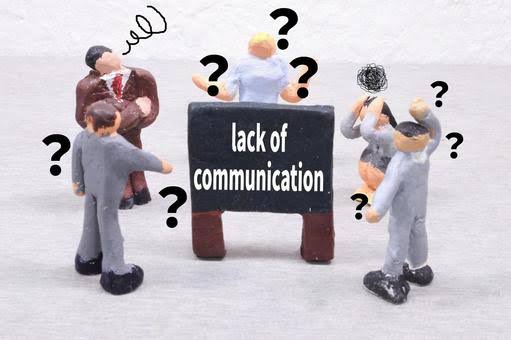
Poor communication is consistently identified as one of the single biggest contributors to divorce in India, often functioning as the underlying issue behind many other stated reasons.
- Failing to express needs, concerns, or unresolved conflicts creates genuine emotional distance over time, fostering resentment that compounds gradually rather than appearing suddenly.
- Differences in attitudes, habits, and expectations, combined with emotional detachment, frequently trace back to this same communication breakdown at their core.
- Many separations that appear to stem from a single dramatic incident often have years of accumulated, unaddressed communication gaps underlying them.
2. Mutual Consent Without a Specific Stated Reason
- India has seen an estimated 5 to 3 lakh mutual consent divorce petitions filed, reflecting a genuine shift where couples increasingly choose to separate without assigning blame to either party.
- This growing category reflects changing social attitudes — where divorce was once seen as requiring a dramatic, fault-based justification, more couples now view mutual, amicable separation as a legitimate path when a marriage simply isn’t working.
3. Cruelty — The Most Serious Legally Recognized Ground
- Cruelty, encompassing both physical violence and sustained emotional or mental harassment, remains one of the most serious and legally accepted grounds for divorce in India.
- An estimated 8 to 2 lakh cases have been filed under cruelty grounds, reflecting the genuine scale of this issue within India’s family court system.
- Insulting, threatening, or mentally torturing a partner falls squarely within this legal category, distinct from milder relationship dissatisfaction.
4. Infidelity and Adultery
- Even though adultery was decriminalized in India after 2018, it genuinely remains one of the most emotionally significant and legally valid reasons for divorce.
- The betrayal of trust involved in an extramarital affair frequently becomes the triggering event that finally pushes a couple toward formal separation, even when underlying issues predate the affair itself.
5. Financial Independence Reshaping Women’s Choices
- Women now initiate roughly 70% of divorces in India, a shift directly connected to growing financial autonomy and reduced societal stigma around leaving unhappy marriages.
- As more women enter the workforce and achieve genuine economic independence, the traditional financial barrier to leaving an unsatisfying marriage has diminished considerably.
- This represents perhaps the single most significant structural shift behind India’s overall rising divorce trend, distinguishing today’s pattern from previous generations.
6. Incompatibility and Growing Apart
- Emotional disconnect and genuine incompatibility rank among the leading reasons for divorce specifically among urban Indian couples.
- Unlike fault-based grounds like cruelty or adultery, this reflects couples simply evolving in different directions over time, without any single dramatic incident driving the separation.
7. In-Law and Extended Family Interference
- Excessive involvement from extended family members can create genuine tension and friction within a marriage, particularly when boundaries aren’t clearly established or respected.
- This factor carries particular relevance within India’s joint family structures, where the traditional expectation of extended family involvement can sometimes conflict with a couple’s need for independent decision-making.
8. Domestic Violence and Abuse
- Physical or emotional abuse frequently triggers immediate separation, distinct from the more gradual breakdown seen with incompatibility or communication issues.
- Recognized as one of the most serious grounds for divorce, reflecting genuine safety concerns that override other considerations about staying in a marriage.
9. Desertion
- Legally defined as being abandoned by a spouse for a continuous period of at least two years without reasonable cause, though this threshold has been reduced to one year in certain cases.
- Represents a distinct legal category from cruelty or incompatibility, addressing situations where one partner has effectively withdrawn from the marriage entirely.
10. Mental Health and Substance-Related Strain
- Depression, whether stemming from genetics, past trauma, stress, or lifestyle factors, can place genuine, sustained strain on a marriage over time.
- Alcohol use and related behavioral issues are also cited among contributing factors, often compounding existing communication or trust problems within the relationship.
Why India’s Experience Differs From Western Divorce Patterns
- In India, many couples genuinely stay married despite long-term emotional distance, family pressure, financial dependence, or concern about children and social judgment — separation is often delayed considerably even when a relationship has been breaking down for years.
- This contrasts with many Western countries, where divorce is more socially accepted, and couples tend to leave marriages earlier when emotional needs aren’t being met.
- This difference means India’s official divorce statistics, while rising, likely understate the true scale of marital dissatisfaction, since cultural stigma and rural underreporting keep many struggling marriages formally intact.
The Bottom Line
Communication breakdown, financial independence enabling women to leave unhappy marriages, and legally recognized grounds like cruelty and adultery together account for the majority of divorces filed across India today, reflecting genuine social and economic shifts rather than a simple decline in commitment to marriage itself. While India’s overall divorce rate remains comparatively low at around 1%, the sharp rise in urban centers like Delhi, Mumbai, and Bengaluru signals a meaningful, ongoing change in how Indian couples approach marital difficulty — with growing acceptance that separation, when genuinely needed, is a legitimate path rather than a failure to be hidden. This is general informational content, not personal or legal advice; anyone navigating marital difficulty should consider speaking with a licensed counselor or family law professional for guidance specific to their situation.
FAQs
Q1. Is India’s divorce rate genuinely comparable to Western countries despite the lower percentage?
Not directly — cultural stigma and rural underreporting mean official numbers likely understate actual marital dissatisfaction compared to countries where divorce is more openly reported.
Q2. Why do women initiate the majority of divorces in India specifically?
Growing financial independence has reduced the economic barriers that historically kept women in unsatisfying marriages, giving them genuine ability to choose separation.
Q3. Does mutual consent divorce require proving fault like cruelty or adultery?
No, mutual consent divorce allows couples to separate by mutual agreement without needing to establish blame or a specific legal ground.
Q4. Why does India show a bigger gap between urban and rural divorce rates?
Urban areas have greater financial independence, education, and reduced social stigma around divorce, while rural regions still face stronger cultural pressure to remain married.