
Single glazed vs double glazed windows comes down to one pane of glass versus two with a sealed air gap between them. Almost every source agrees double glazing performs better. The more useful question, and the one most vendor sites skip, is whether that performance gap is worth paying for in your specific home, in India’s climate, rather than a UK or Canadian one where most double-glazing content originates.
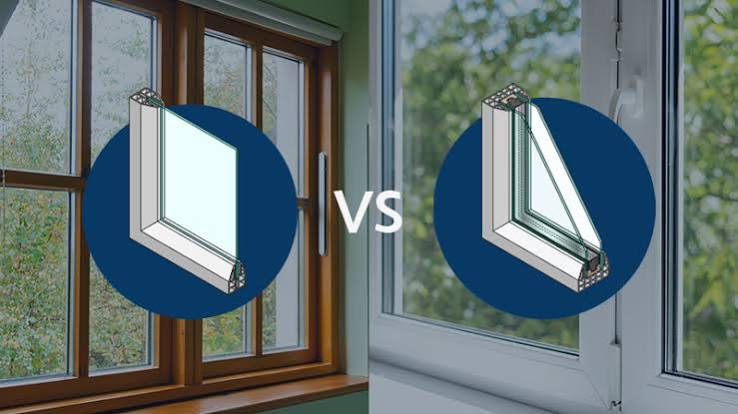
What’s Physically Different
The construction difference is simple, but it explains everything else in this comparison.
- A single glazed window uses one pane of glass set directly into the frame.
- A double glazed unit (DGU) uses two panes separated by a sealed, often gas-filled, air gap that acts as an insulating buffer.
- A single 6mm clear pane has a U-value around 5.8 W/m²K, meaning it transfers heat rapidly in both directions.
- A standard 6/12/6 double glazed unit brings that down to roughly 2.7 W/m²K, cutting heat transfer by more than half.
Heat Performance: Where the Real Value Sits in India
Most Western content frames this around winter heating. In India, the bigger lever is usually AC load in summer.
- Indian sources put heat gain reduction from standard DGU at roughly 30-50% compared to single pane.
- Adding a Low-E coating on top pushes total heat transfer reduction to around 60-70%, according to one detailed India pricing guide.
- One commercial-focused source quotes a 30-40% cut in AC electricity load specifically on west and south-facing facades, with a 10,000 sq ft office saving ₹1.8-2.5 lakh a year in a real worked example.
- That same source is unusually direct that the climate benefit is facade-specific: a west or south-facing wall in direct sun sees a real return, while a shaded or north-facing single pane may not justify the premium at all.
Noise Reduction: The Point Most Vendor Sites Get Wrong
This is where sources genuinely conflict, and the disagreement matters.
- Vendor sites commonly claim double glazing cuts noise by 25-40 dB, with one citing a customer report of up to 40% reduction near highways and schools.
- A more technical, non-vendor source complicates this: standard double glazing, where both panes are the same thickness, is “only marginally better than single glazing for noise reduction.”
- A 6mm single pane alone already provides roughly 28-30 dB of sound reduction on its own.
- To get the dramatic noise-cancelling effect vendors advertise, you need asymmetric glazing, different pane thicknesses on each side, such as 6/12/10mm, not a standard symmetric DGU.
- If noise is your main reason for upgrading, ask specifically for asymmetric glazing. A generic “double glazed” quote may not deliver what the marketing implies.
What It Costs in India
Figures vary by source, material and city, so treat any single number as a starting range, not a quote.
- Quoted installed costs for uPVC double glazed windows in India range roughly ₹350-1,200 per sq ft, depending on glass spec and source.
- One detailed guide gives a worked example: 200 sq ft of DGU at an average ₹1,100/sqft (₹2,20,000 total) against ₹500/sqft for standard single glass (₹1,00,000 total).
- That puts the premium at roughly double, consistent with other sources quoting double glazing at 60-80% to 2-3 times the cost of single glazing.
- Aluminium double glazed frames generally cost more than uPVC double glazed, per multiple India sources.
When It’s Genuinely Worth It, and When It Might Not Be
This is the nuance that separates a useful answer from a sales pitch, and only one source addressed it directly.
- Clearly worth it: air-conditioned offices and commercial buildings, hospitals, hotels, and any home or building directly facing a busy road, according to the one source that gave explicit use-case guidance.
- Likely worth it: premium apartments where resale value is a consideration, and homes in regions with real seasonal extremes, such as Dehradun or parts of North India with both sharp heat and cold.
- Less clearly worth it: a quiet, shaded, non-AC-dependent home where neither heat gain nor noise is a daily problem, a scenario most vendor content simply doesn’t address.
- Payback period in one real commercial example (a typical Pune office) was quoted at 3-5 years, which is a useful benchmark but won’t transfer directly to a residential, non-AC-heavy household.
Reading Past the Marketing Language
Nearly every double-glazing source in this comparison sells double-glazed windows, and the “single glazed windows are found in budget constructions and sheds” framing shows up more than once, which is more sales copy than fact. That doesn’t make the underlying physics wrong, U-values and heat transfer math are well-established, but it does mean exact percentage claims (“40% noise reduction,” “cuts your AC bill in half”) deserve the same caution as the aluminium-versus-uPVC marketing claims: directionally reasonable, specifically unverifiable without your own facade orientation, local noise levels, and AC usage pattern.
Deciding for Your Home
A few honest questions narrow this down faster than any spec sheet.
- Check your facade direction first. A west or south-facing room in direct Indian sun sees the strongest case for DGU; a shaded or north-facing one sees a weaker one.
- Specify asymmetric glazing if noise is your priority, not just “double glazed,” since standard symmetric units barely outperform a single pane acoustically.
- Weigh your AC dependence. If a room already runs AC most of the day, the electricity savings case is real. If it rarely does, the thermal benefit matters less.
- Get a local, itemised quote rather than relying on a national average, since the ₹350 to ₹1,200 per sq ft range in the sources above is wide enough to make a real difference to your decision.
FAQs
Q1. Does double glazing actually reduce noise significantly, or is that overstated?
It depends on the glass spec, not just whether it’s “double glazed.” Standard symmetric double glazing is only marginally better than single glazing for sound, and real noise reduction requires asymmetric glazing with different pane thicknesses, something most marketing claims don’t specify.
Q2. Is double glazing worth the extra cost for a typical Indian home?
It depends heavily on your facade direction and AC usage. One detailed source says it’s clearly worth it for AC-heavy buildings and homes facing busy roads, but less clearly justified for a shaded, low-AC-dependence home where neither heat nor noise is a daily issue.
Q3. How much more does double glazing cost than single glazing in India?
Roughly double, based on multiple sources, with one worked example showing ₹1,100/sqft for DGU against ₹500/sqft for standard single glass. Overall quoted ranges span ₹350-1,500 per sq ft depending on glass type, coating and installer.
Q4. What’s the actual payback period for double glazing in India?
One commercial example put it at 3-5 years for a typical Pune office with significant west-facing glazing and AC usage. That figure won’t directly apply to a residential home with different sun exposure and AC habits, so treat it as a reference point, not a guarantee.