
Rigid pipes vs flexible pipes is a more conceptual question than the material-specific comparisons in this series, and it’s worth a caveat upfront: the sources here are largely generic, global plumbing content rather than India-specific guides. That said, the underlying engineering logic holds regardless of country, and it connects directly back to the UPVC, HDPE, CPVC and GI pipes already covered in this series, since every one of those materials falls on one side of this rigid-flexible line.
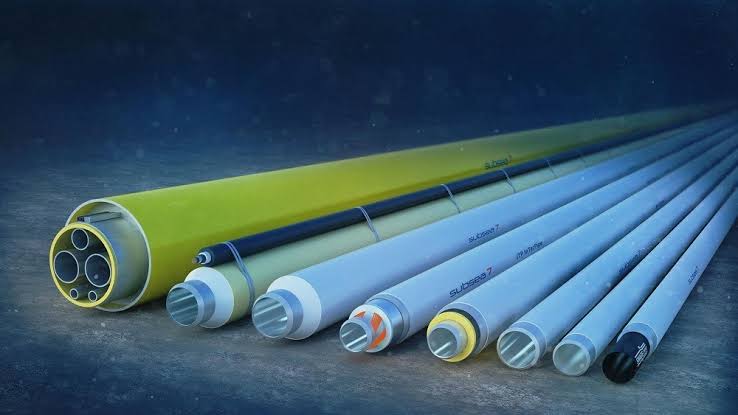
Two Different Things Both Called “Flexible”
This distinction gets blurred across sources, and getting it right matters before anything else.
- Small flexible supply connectors, braided steel or short PVC tubing used under a sink or toilet, are a different category from genuinely flexible structural pipe materials used for entire plumbing runs.
- One source specifically warns against using flexible connectors for main water lines, recommending rigid, high-pressure materials instead for that application.
- That warning applies to short, small-diameter connector hoses, not to flexible structural pipe like HDPE or PEX, which are routinely used as main lines and underground mains in both municipal and residential systems.
- As covered in the UPVC vs HDPE comparison earlier in this series, HDPE, a genuinely flexible pipe material, actually handles higher pressure than rigid UPVC, the opposite of what you’d assume if you only thought of “flexible” as the thin hose under your sink.
Installation: Where Flexible Genuinely Wins
This is the one category where sources agree almost universally, regardless of which specific materials they’re discussing.
- Flexible pipe needs far fewer fittings, since it bends around corners and obstacles instead of requiring a cut, measured elbow joint at every direction change.
- Rigid pipe installation needs more planning, precise measuring, and proper support at each turn, work that takes real skill to get right.
- One source describes flexible lines as “beginner-friendly, no exact alignment needed,” while rigid lines “require skill, measuring, and proper alignment.”
- Fewer joints isn’t just about installation speed either, every joint is a potential leak point, so flexible pipe’s reduced joint count genuinely lowers long-term leak risk in the same way it was noted for HDPE over UPVC earlier in this series.
Durability and Strength
Here the sources lean toward rigid, though the margin and the reasoning vary.
- Rigid pipes are generally described as more resistant to physical damage, thanks to their hard structure, and better suited to high-pressure systems.
- One source quotes a 50-year lifespan for rigid pipe against 40 years for flexible, though this appears to be a generic estimate rather than a tested figure, treat it the same way you’d treat any single blog’s lifespan claim, with caution.
- Flexible pipe durability depends heavily on the specific material, HDPE’s flexible, highly engineered structure actually outlasts rigid UPVC in the comparison already covered in this series, which shows that “rigid lasts longer” isn’t a universal rule once you’re comparing genuinely different materials rather than just the same material in flexible and rigid form.
- A more accurate general statement: within the same material family, rigid tends to resist physical damage and wear slightly better, but across different materials, the specific engineering matters more than flexibility alone.
Pressure Handling
This is exactly where the “flexible means weaker” assumption breaks down.
- Rigid pipes are consistently described as excellent for high-pressure systems and heavy-duty applications.
- But flexible hydraulic hoses, in industrial contexts, are rated for extremely high pressure, in some cases higher than comparable rigid piping, showing that flexibility and pressure tolerance aren’t inherently opposed.
- In plumbing specifically, HDPE, a flexible material, handles higher pressure and more impact than rigid UPVC, a genuinely counterintuitive result that only makes sense once you remember flexibility comes from the material’s engineering, not from thinner or weaker construction.
- The real takeaway: don’t assume rigid automatically means higher pressure capacity, check the specific material and pressure rating rather than generalising from the rigid-or-flexible label alone.
Vibration, Movement and Ground Shift
This is where flexible pipe has a genuine, well-supported structural advantage.
- Flexible pipe absorbs vibration, equipment movement and minor misalignment without stressing a joint the way rigid pipe can.
- In earthquake-prone areas, flexible pipe’s ability to flex rather than crack at a rigid joint is repeatedly cited as a real safety advantage, consistent with HDPE’s noted earthquake performance in the earlier material comparison.
- Rigid pipe, fixed and unable to flex, concentrates stress at its joints when the ground shifts or equipment vibrates, which is exactly where cracks and leaks tend to start.
- For machinery connections and anything prone to movement, flexible connectors specifically are recommended over rigid piping for this reason.
Appearance and Where It’s Installed
A less technical factor, but one that genuinely matters for visible plumbing.
- Rigid pipe is generally described as designed to be seen, offering a cleaner, more finished look where it’s exposed.
- Flexible pipe is more commonly meant to be hidden, tucked under a sink or behind a fixture rather than left on display.
- For concealed or underground runs, where appearance doesn’t matter at all, this consideration drops out entirely and the decision comes down to pressure, terrain and installation practicality instead.
Connecting This Back to Real Materials
Since this conceptual comparison doesn’t map to a single India-specific source, here’s how it applies to the actual pipe materials already covered in this series.
- UPVC and CPVC are rigid, needing elbow joints and solvent cement at every turn, well suited to structured indoor residential plumbing.
- HDPE and PEX are flexible, bending around obstacles and absorbing ground movement, better suited to underground mains, uneven terrain and long runs.
- GI pipe is rigid and threaded, historically used where strength mattered more than flexibility, though its corrosion problem, covered in the GI vs PVC comparison, is a separate issue from its rigidity.
- The rigid-versus-flexible choice and the material choice often arrive together, choosing HDPE for a rocky underground run gets you flexibility and decent pressure tolerance in the same decision.
Making the Right Call
The right choice depends on where the pipe is going and what it needs to survive, not a general preference for one category.
- Choose rigid for fixed, permanent, high-pressure distribution lines in stable ground, and anywhere the pipe stays visible and a clean look matters.
- Choose flexible for uneven or shifting terrain, tight installation spaces, equipment connections prone to vibration, and underground runs where fewer joints reduce leak risk.
- Don’t assume flexible automatically means lower pressure capacity, check the specific material’s actual pressure rating rather than generalising from the rigid-or-flexible label.
FAQs
Q1. Is flexible pipe always weaker than rigid pipe under pressure?
No, this is a common misconception. HDPE, a flexible pipe material, actually handles higher pressure and more impact than rigid UPVC, showing that pressure tolerance depends on the specific material’s engineering, not simply whether it bends.
Q2. Can I use a small flexible connector hose as my main water supply line?
Generally no, one source specifically warns against this, recommending rigid, high-pressure pipe for main lines instead. This applies to small flexible connector hoses under sinks, not to larger flexible structural pipe materials like HDPE, which are routinely used as main lines in both municipal and agricultural systems.
Q3. Why would I choose flexible pipe for an underground installation instead of rigid?
Flexible pipe absorbs ground movement, vibration and minor misalignment without stressing joints the way rigid pipe does, and it needs far fewer fittings since it bends around obstacles rather than requiring a joint at every turn. This combination reduces leak risk and installation complexity on long or uneven underground runs.
Q4. Does rigid pipe really last longer than flexible pipe?
It depends on which specific materials you’re comparing, not flexibility alone. One generic source quotes 50 years for rigid against 40 for flexible pipe of the same type, but when comparing different materials entirely, flexible HDPE has been shown to outlast rigid UPVC, so the specific material matters more than the rigid-or-flexible label by itself.