
Credit card loans can be a convenient source of quick funds, especially during emergencies. Banks and credit card issuers often offer pre-approved loans against your available credit limit with minimal documentation and fast disbursement. However, the convenience comes at a cost. Credit card loans typically carry higher interest rates compared to many other forms of borrowing.
If you’re currently repaying a credit card loan or planning to take one, reducing the interest rate can help lower your monthly payments and save a significant amount of money over the loan tenure. This guide explains practical ways to lower the interest rate on a credit card loan and manage debt more effectively.
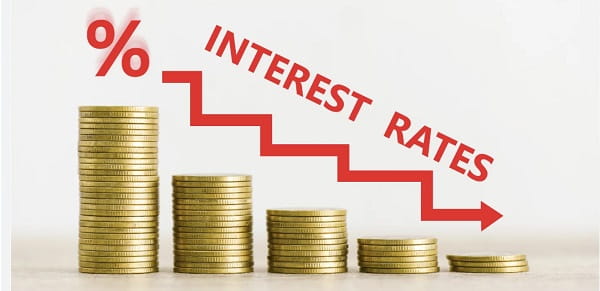
Understanding Credit Card Loans
A credit card loan is a pre-approved loan offered by a bank or credit card issuer to existing cardholders. Unlike regular credit card purchases, these loans usually come with fixed repayment schedules and monthly EMIs.
Benefits include:
- Quick approval
- Minimal paperwork
- Fast disbursement
- No collateral requirement
However, interest rates can vary depending on:
- Credit score
- Income profile
- Relationship with the bank
- Loan amount
- Repayment tenure
Why Credit Card Loan Interest Rates Are High
Credit card loans are generally unsecured loans, meaning borrowers do not provide any collateral.
Since the lender bears higher risk, interest rates tend to be higher than:
- Home loans
- Gold loans
- Vehicle loans
- Secured business loans
Additionally, instant approval and flexible borrowing features often contribute to higher pricing.
Ways to Lower Your Credit Card Loan Interest Rate
1. Maintain a Strong Credit Score
Your credit score is one of the most important factors lenders consider when determining interest rates.
A higher score demonstrates:
- Responsible borrowing behavior
- Timely repayments
- Lower default risk
To improve your score:
- Pay EMIs on time
- Avoid missing credit card payments
- Keep credit utilization low
- Monitor your credit report regularly
Borrowers with excellent credit scores are often in a better position to negotiate lower rates.
2. Negotiate with the Bank
Many borrowers are unaware that interest rates can sometimes be negotiated.
If you have:
- A good repayment history
- Long-standing banking relationship
- Strong credit profile
you may request a lower rate from the lender.
Banks may offer:
- Reduced interest rates
- Special retention offers
- Better loan terms for valued customers
It never hurts to ask.
3. Convert Outstanding Balance to EMI
If you are carrying a high revolving credit card balance, converting it into an EMI plan may reduce the effective interest burden.
Benefits include:
- Fixed monthly payments
- Lower interest rates compared to revolving balances
- Structured repayment schedule
Many banks offer balance conversion options through mobile banking apps or customer service channels.
4. Consider a Balance Transfer
A balance transfer allows you to move outstanding debt from one lender to another offering a lower interest rate.
Advantages include:
- Lower interest costs
- Promotional offers
- Improved repayment flexibility
Before proceeding, compare:
- Transfer fees
- Processing charges
- New interest rates
- Promotional period terms
5. Opt for a Shorter Tenure
Longer loan tenures may reduce EMI amounts but often result in higher total interest payments.
If your budget allows:
- Choose a shorter repayment period
- Make larger monthly payments
- Reduce overall interest expenses
A shorter tenure can significantly lower the total cost of borrowing.
6. Make Partial Prepayments
Many lenders allow borrowers to make partial repayments during the loan tenure.
Benefits include:
- Lower outstanding principal
- Reduced future interest charges
- Faster loan closure
Check whether your lender imposes prepayment or foreclosure charges before making additional payments.
7. Improve Your Banking Relationship
Banks often offer preferential rates to customers who maintain:
- Salary accounts
- Fixed deposits
- Investment relationships
- Multiple financial products
A strong relationship may improve your chances of receiving better loan offers in the future.
8. Compare Refinancing Options
If interest rates have declined since you took the loan, refinancing may be worth considering.
Refinancing involves replacing your current loan with a new one that offers:
- Lower interest rates
- Better repayment terms
- Reduced EMI burden
Always calculate total savings after accounting for processing and transfer charges.
Mistakes to Avoid
1. Paying Only the Minimum Due
Paying only the minimum amount on your credit card can significantly increase your interest burden over time.
2. Taking Multiple Loans Simultaneously
Excessive borrowing can affect your credit profile and reduce your negotiating power.
3. Ignoring Loan Statements
Regularly reviewing statements helps identify errors and track repayment progress.
4. Missing EMI Payments
Late payments may result in:
- Penalty charges
- Higher interest costs
- Lower credit scores
Benefits of Lowering Your Interest Rate
Reducing your credit card loan interest rate can provide:
- Lower monthly EMIs
- Reduced total repayment amount
- Faster debt elimination
- Improved cash flow
- Better financial flexibility
Even a small reduction in the interest rate can generate meaningful savings over the life of the loan.
Conclusion
Credit card loans offer quick access to funds, but their relatively high interest rates can increase borrowing costs substantially. Fortunately, borrowers can take several steps to reduce these costs, including maintaining a strong credit score, negotiating with lenders, opting for balance transfers, refinancing, making prepayments, and improving their overall financial profile.
The key is to be proactive rather than simply accepting the initial loan terms. By understanding your options and managing credit responsibly, you can lower your interest burden and improve your overall financial health.
Frequently Asked Questions (FAQs)
Q1. Can I negotiate the interest rate on my credit card loan?
A: Yes. Borrowers with good credit scores, strong repayment histories, and long-standing relationships with their banks may be able to negotiate lower rates.
Q2. Does my credit score affect the loan interest rate?
A: Yes. A higher credit score generally improves your chances of receiving more favorable interest rates.
Q3. What is a balance transfer?
A: A balance transfer involves moving existing debt from one lender to another offering a lower interest rate.
Q4. Can prepaying a credit card loan reduce interest costs?
A: Yes. Partial or full prepayments can reduce the outstanding principal and lower future interest charges.
Q5. Is converting credit card dues into EMIs beneficial?
A: In many cases, yes. EMI conversions often offer lower interest rates than revolving credit card balances.
Q6. Does a shorter loan tenure reduce interest payments?
A: Generally, yes. A shorter repayment period often results in lower total interest costs.
Q7. Should I refinance my credit card loan?
A: Refinancing may be beneficial if you can obtain a significantly lower interest rate and the savings outweigh any associated fees or charges.